
Are Septic Alarms Required? What Owners Need
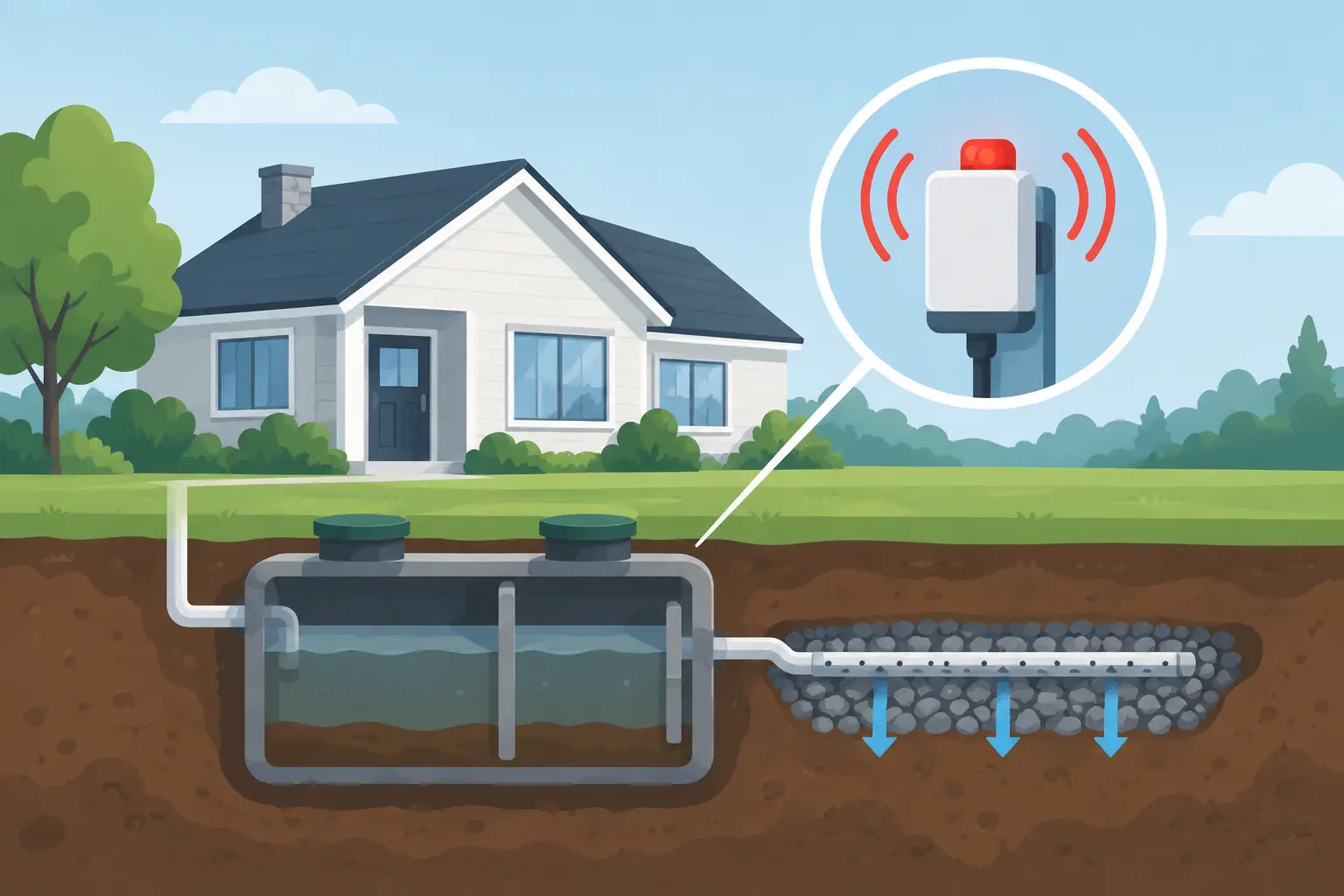
A septic alarm is not an optional convenience when wastewater depends on a pump. It is an early warning device that can prevent sewage backups, flooded pump chambers, property damage, and system failure. But are septic alarms required? In many cases, yes. The exact requirement depends on your system design and the rules enforced by your local health department or permitting authority.
For homeowners, the practical answer is straightforward: if your system has a pump tank, lift station, pressure distribution system, grinder pump, or advanced treatment component, it will usually need a high-water alarm. A conventional gravity septic system may not.
Are septic alarms required for every septic system?
No. A basic gravity system moves wastewater from the home to the septic tank and then to the drain field without electricity or pumps. Since there is no pump chamber that can fill up during a mechanical or electrical failure, a high-water alarm may not be required.
The answer changes when wastewater must be pumped. Pumps are used when the drain field sits higher than the tank, when a pressure distribution field is required, when site conditions limit gravity flow, or when a commercial property has a more complex wastewater design. These systems need a way to alert the owner before the pump chamber overfills.
Most jurisdictions require a visual alarm, an audible alarm, or both on pump-dependent septic systems. Requirements may also apply to replacement systems, new construction, additions, bedroom increases, and major renovations that trigger a permit review. Your local code controls, not a rule of thumb from another county or state.
Why alarm requirements matter
A septic alarm does not fix a failed pump. It gives you time to act before a manageable repair becomes an emergency.
When the alarm activates, the water level in the pump chamber is above its normal operating range. That can happen because of a tripped breaker, failed float switch, worn pump, damaged control panel, blocked discharge line, or excessive water entering the system. In some cases, the pump is still operating but cannot keep up with demand.
Without an alarm, the first sign may be wastewater backing up into a basement, bathroom, floor drain, or commercial facility. By then, the pump tank may be overflowing and the drain field may be under unnecessary stress. The cost difference between diagnosing an alarm promptly and cleaning up a sewage backup can be significant.
For commercial properties, the stakes are higher. A wastewater failure can interrupt operations, create a sanitation issue, expose staff or customers to wastewater, and lead to reporting or compliance concerns. Alarm systems are part of basic risk control for any pump-dependent onsite wastewater system.
Systems that commonly need high-water alarms
A high-water alarm is commonly required or strongly recommended when a system includes mechanical pumping or controls. This includes septic pump tanks, sewage ejector systems, grinder pumps, pressure dose systems, mound systems, sand filters, aerobic treatment units, and commercial lift stations.
A pressure distribution system is a common example. Instead of wastewater flowing passively through pipes, a pump doses the drain field at controlled intervals. If the pump, float, or panel fails, wastewater remains in the chamber and the liquid level rises. The alarm tells the owner that the system needs attention before the chamber reaches an emergency level.
Advanced treatment systems may have additional alarm requirements. Depending on the equipment and local regulations, they can need alerts for high water, blower failure, treatment failure, loss of power, or control-panel faults. These systems should be serviced by a qualified septic professional who understands both the wastewater process and the electrical controls.
What local codes usually require
Septic rules are local. State environmental agencies often establish baseline standards, while county or municipal health departments handle permits, inspections, and enforcement. Requirements can differ between neighboring jurisdictions.
A permit may specify the alarm type, float settings, panel location, electrical circuit, and whether an audible signal is required indoors or outdoors. Some authorities require a visible beacon that can be seen from outside. Others require a separate circuit and clearly labeled disconnect to make electrical service safer.
If you are installing a new system or replacing a pump, do not assume the existing setup meets current code. Older systems may lack an alarm, use outdated controls, or have wiring that no longer meets the requirements for a permitted repair or upgrade. An inspection of the pump chamber, floats, control panel, and power supply can identify what needs to be corrected.
Real estate inspections also bring this issue to the surface. A septic system may be functioning on the day of inspection while still missing an alarm that is required for its type of pump system. Buyers, sellers, lenders, and insurers benefit from knowing whether the system is properly equipped and whether the alarm has been tested.
What to do when a septic alarm goes off
Treat a septic alarm seriously, but do not panic. First, reduce water use immediately. Do not run laundry, take long showers, use the dishwasher, or allow unnecessary toilet flushing. Every gallon sent to the septic tank can raise the pump chamber level further.
Next, check whether there has been a power outage or a tripped breaker. If power has been restored after an outage, the pump may catch up once it has time to run. Do not repeatedly reset a breaker that trips again, and do not open electrical panels or pump tanks unless you are trained to do so. Septic tanks and pump chambers contain hazardous gases and electrical equipment.
If the alarm remains on, if you notice sewage odors or wet ground, or if fixtures begin draining slowly, call a septic specialist. The problem may be as simple as a failed alarm float, but it may also be a pump failure, control issue, blocked line, or overloaded system. The cause needs to be diagnosed before parts are replaced.
An alarm is only useful if it works
A required alarm that has never been tested offers false confidence. Alarm floats can stick, panels can lose power, buzzers can fail, and warning lights can burn out. Property owners should know where the alarm panel is located and what the normal indicator lights look like.
Have the alarm tested during routine septic maintenance, after pump replacement, and before a property sale. The service visit should include more than checking whether the light turns on. A proper assessment verifies float operation, pump response, control settings, electrical connections, alarm output, and the condition of the chamber lid and riser.
If your septic system uses a pump and you are unsure whether it has a functioning high-water alarm, do not wait for a backup to find out. A qualified inspection can confirm what your local code requires and whether your controls are ready to warn you when the system needs help.
Leave a Reply