
Wastewater System Electrical Faults Explained
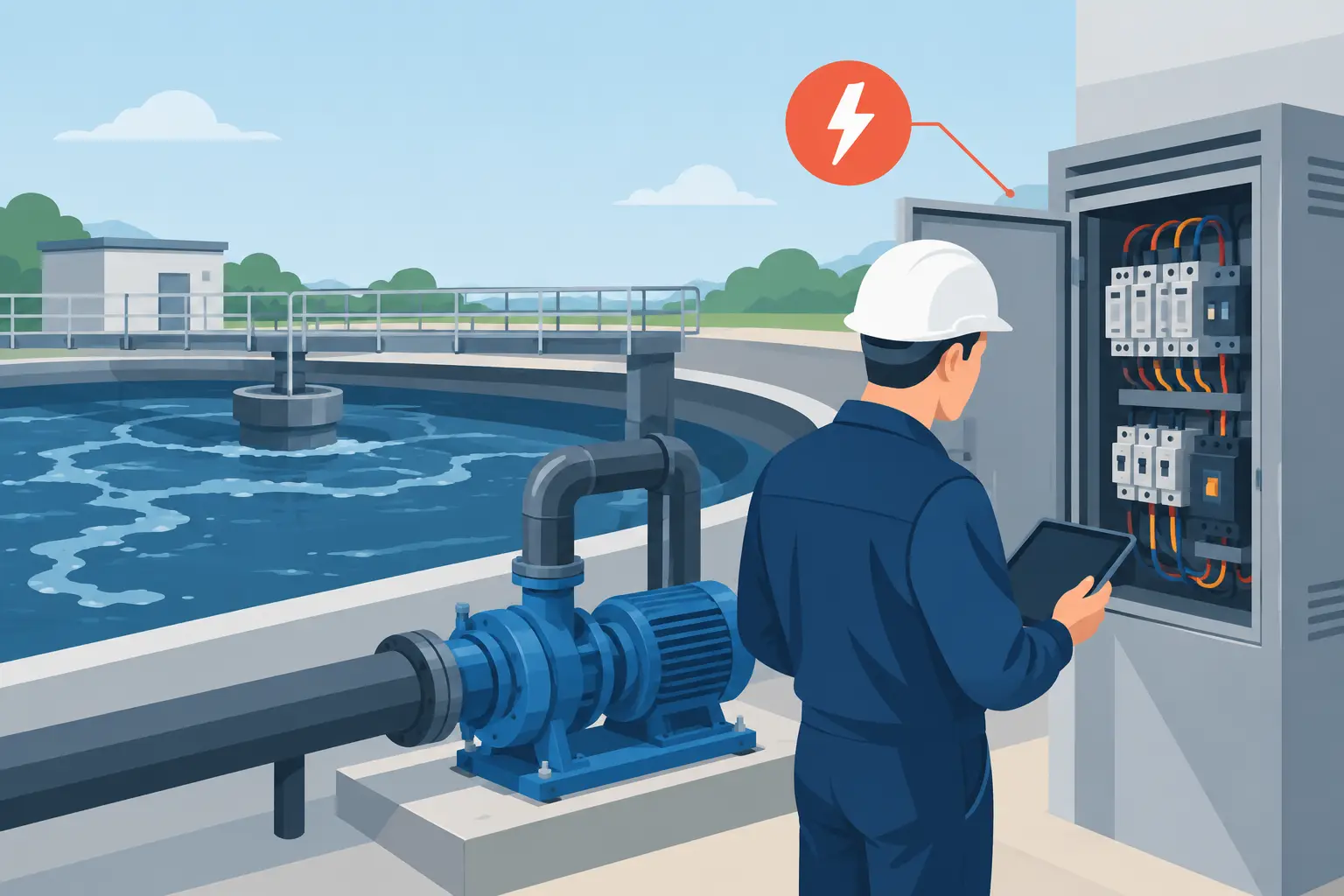
A wastewater alarm is not a nuisance to silence and forget. It is often the first warning that wastewater system electrical faults are preventing a pump from moving effluent where it needs to go. If the problem is left alone, the tank level can rise, sewage can back up into the building, and a manageable electrical repair can turn into a costly emergency.
For homes and commercial properties with pump-dependent septic systems, electrical components are not optional extras. The control panel, floats, wiring, breakers, alarms, and pump all have to work together. A failure anywhere in that chain can stop the system.
What Causes Wastewater System Electrical Faults?
The most common issue is a failed or tripped circuit. Pumps draw significant power, especially during startup. A weak breaker, damaged wire, overloaded circuit, or failing pump can trip power protection. Resetting a breaker once may be reasonable if it has tripped, but repeated trips are a fault signal. Do not keep resetting it. That can damage equipment and create a serious safety risk.
Control panels are another frequent source of trouble. The panel receives signals from the tank floats and tells the pump when to run. Moisture intrusion, corroded terminals, loose connections, worn relays, failed capacitors, or a damaged timer can prevent that command from reaching the pump. A panel may still have an illuminated power light while the pump circuit is not operating correctly.
Float switches also fail more often than property owners expect. These switches rise and fall with the wastewater level inside the tank. One float may start the pump, another may stop it, and a high-water float may activate the alarm. Grease buildup, tangled cords, worn switches, and debris can cause floats to stick or send the wrong signal.
The pump itself may be the underlying electrical problem. A pump with a failing motor can overheat, pull excessive amperage, trip the breaker, or stop running intermittently. In some cases, the electrical system is doing its job by shutting off a pump that is failing mechanically.
Warning Signs That Need Fast Attention
An alarm, especially a red light or audible buzzer, deserves prompt attention. It generally means the wastewater level has risen above the normal operating range. You may still have limited plumbing use for a short time, but every flush, shower, and load of laundry adds more water to a system that may not be pumping.
Other signs can be less obvious. Watch for these symptoms:
- A breaker that trips again after being reset
- A control panel that hums, clicks repeatedly, or has no power light
- Sewage odors, wet ground, or ponding near the tank or drain field
- Slow drains or backups throughout the building
- A pump that runs continuously or does not run at all
- An alarm that activates during heavy water use and does not clear
A continuously running pump is not good news. It can mean the pump is unable to lower the liquid level, a float is stuck in the on position, or the discharge line is blocked. Letting it run can burn out the motor and shorten the life of the system.
What You Can Safely Check First
Start by reducing water use immediately. Stop laundry, avoid long showers, postpone dishwasher cycles, and limit flushing. This buys time and reduces the chance of a backup while the issue is diagnosed.
Then check the control panel from a safe, dry location. Look for an alarm light, power indicator, or labeled breaker. If the panel has an alarm silence switch, you can silence the audible alarm, but do not assume the problem is resolved. The visual alarm should remain on until the condition is corrected.
Check the electrical panel for a tripped breaker. If you reset it and it trips again, leave it off and call a wastewater system specialist. Never bypass a breaker, replace it with a larger breaker, handle exposed wiring, or enter a septic tank. Septic tanks contain dangerous gases and are confined spaces that require proper training and equipment.
It also helps to note what happened before the alarm. Did it occur after a storm, a power outage, unusually high water use, landscaping work, or a recent renovation? Those details can point a technician toward a damaged line, flooded component, overloaded system, or power issue.
Why a Septic Specialist Matters
A general electrician can identify a household power problem. A plumber can address indoor drainage symptoms. But pump-based wastewater systems require someone who understands the complete operating sequence: tank levels, float settings, pump performance, control logic, discharge piping, alarms, and drain field conditions.
The repair is not always a simple pump replacement. If a pump failed because the discharge line is blocked, replacing the pump alone may lead to another failure. If the breaker tripped because of water entering a junction box, installing a new breaker will not solve the source of the problem. Proper diagnosis protects the replacement equipment and helps avoid repeat service calls.
A qualified technician should test incoming voltage, inspect the control panel, verify float operation, check pump amperage, evaluate the pump basin or tank level, and inspect accessible wiring and connections. Depending on the results, the right repair may be a float replacement, panel repair, wiring correction, pump replacement, alarm upgrade, or a larger system evaluation.
Electrical Problems Can Reveal System Capacity Issues
Not every alarm starts as an electrical failure. A properly working alarm can reveal that the system is receiving more wastewater than it can process. This is common after adding bedrooms, finishing a basement, changing a commercial use, or increasing occupancy without updating the septic design.
Heavy rainfall can complicate the diagnosis as well. If groundwater is entering a damaged tank, riser, or connection, the pump may run more often than normal. A failing drain field can also keep wastewater from dispersing, forcing liquid levels higher. The electrical components may be functioning correctly while reacting to a hydraulic problem.
That is why the answer depends on the full system condition. The alarm is the symptom. The objective is to identify why the liquid level rose and correct the actual cause.
Preventing Repeat Electrical Failures
Routine maintenance is the best way to catch problems before an alarm becomes a backup. Control panels should be inspected for moisture, corrosion, loose wiring, and proper alarm function. Floats should be checked for movement and secure cord placement. Pumps should be evaluated for run time and amperage so a weakening motor can be identified before it fails completely.
Property owners should also keep electrical access clear. Do not bury control panels, cover lids with permanent structures, or allow landscaping to make the tank and risers difficult to reach. Fast access matters when an alarm sounds.
For older systems, an alarm or control panel upgrade may be worthwhile. Modern panels can provide clearer status indicators, better pump protection, and more reliable alarm operation. The right upgrade depends on the system design and the demands placed on it.
When wastewater system electrical faults appear, act early. Reduce water use, avoid unsafe electrical work, and get the system assessed before wastewater reaches the wrong place. A prompt, accurate diagnosis can protect your property, your equipment, and the people who use the building.
Leave a Reply