
Best Septic Pump Brands for Reliable Wastewater
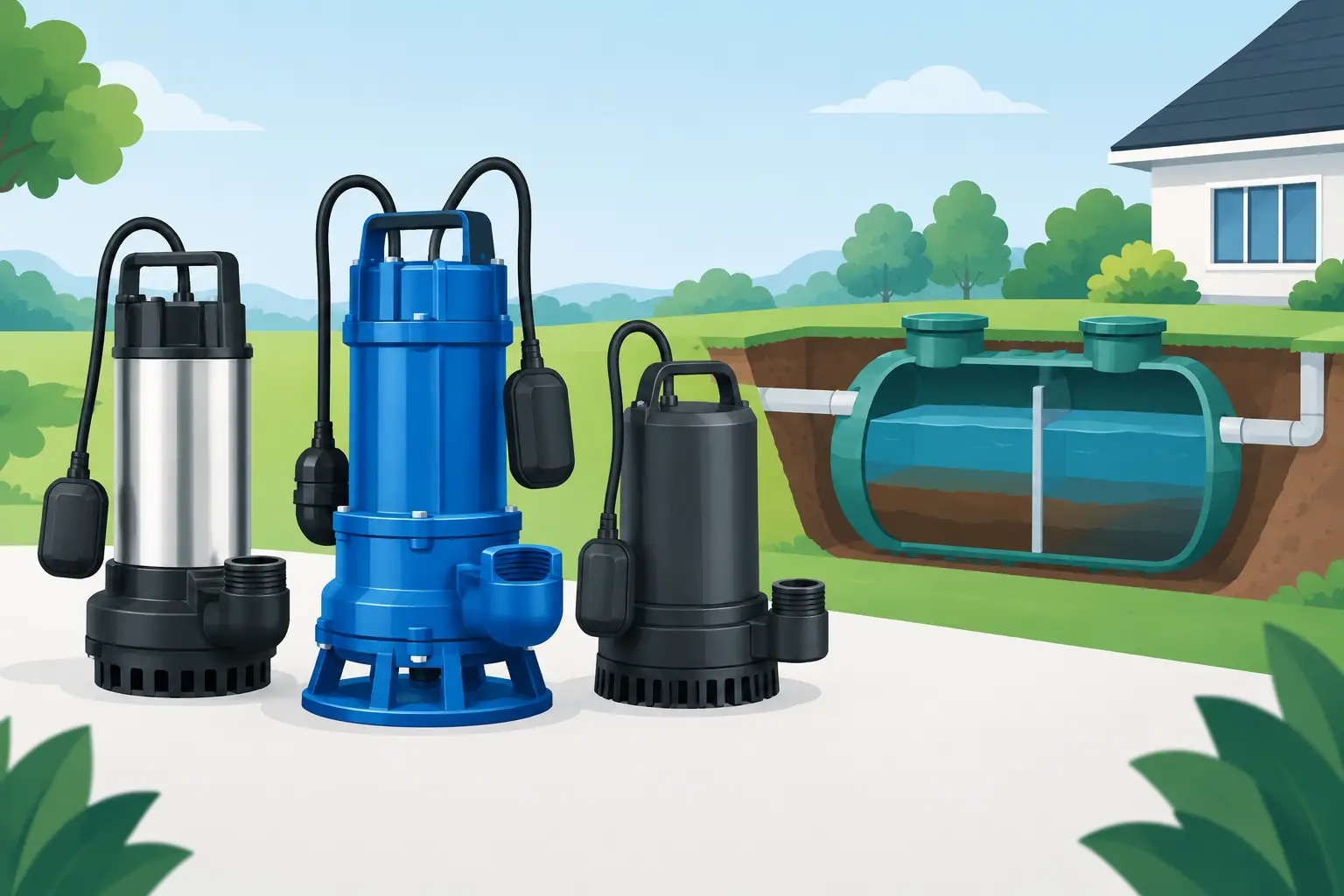
A pump alarm is not the time to choose equipment based on a box-store price tag. When wastewater is rising in a pump tank, the right replacement must match the system’s design, electrical controls, float settings, and required pumping performance. The best septic pump brands build dependable equipment, but the best pump for your property depends on what it is being asked to move.
A standard effluent pump, a sewage ejector, and a grinder pump are not interchangeable. Installing the wrong type can overload the motor, damage the control panel, cause repeated alarms, or send solids where they do not belong. Start with the system requirements, then select a proven manufacturer.
What makes a septic pump brand worth considering?
A reliable manufacturer matters because septic pumps operate in a difficult environment. They cycle automatically, handle corrosive wastewater conditions, and may be the only thing preventing a backup into the home or commercial building.
Good pump brands typically offer durable motor construction, readily available replacement parts, clear performance curves, and models designed for specific wastewater applications. Just as important, they are supported by local septic specialists who can size, install, and service them correctly.
Do not judge a pump by horsepower alone. A higher-horsepower pump is not automatically better. The pump must deliver the required flow at the total dynamic head of your system – the real resistance created by vertical lift, pipe length, fittings, filters, and discharge components. Too little pump can cause alarm conditions. Too much pump can short-cycle, disturb a drain field, or create unnecessary wear.
Best septic pump brands used in professional applications
Zoeller
Zoeller is one of the most recognized names in residential wastewater pumping. Its product range includes effluent pumps, sewage pumps, sump pumps, and grinder systems. Many property owners and contractors choose Zoeller for its long-standing reputation, cast-iron construction on many models, and broad parts availability.
For a conventional septic pump chamber, a properly selected Zoeller effluent pump is often a practical choice. The key word is properly selected. A pump that works well in a shallow residential pump tank may not be suitable for a long pressurized drain field run or a commercial application with higher daily flow.
Liberty Pumps
Liberty Pumps is another strong option for residential and light commercial wastewater systems. The brand offers effluent pumps, sewage ejectors, grinder pumps, and packaged systems. Its product line gives installers flexibility when a property has unusual elevation changes, solids-handling needs, or tighter installation conditions.
Liberty is frequently considered when replacing a failed sewage or grinder application, but the model selection still matters more than the logo. Confirm whether the system handles clarified septic effluent or raw sewage. Those are very different applications with different pump and basin requirements.
Goulds Water Technology
Goulds Water Technology has a well-established presence in water and wastewater pumping. Its pumps are commonly used in residential, agricultural, and commercial settings, including effluent and sewage applications that require reliable performance data and serviceable components.
Goulds can be a sound choice where a system requires a specific flow and head range that must be calculated rather than guessed. This is particularly relevant for larger properties, shared systems, and commercial sites where pump performance affects operations, compliance, and maintenance costs.
Myers
Myers has a long history in wastewater pumping and is especially familiar to professionals working with sewage pumps, grinder pumps, and demanding pressure sewer applications. Certain Myers models are designed for applications where solids handling and high-pressure discharge are part of the system design.
A Myers pump may be appropriate when a property has a grinder pump system or a long force main, but it should not be installed as a substitute for a standard effluent pump without confirming the original design. More aggressive pumping equipment can create problems if the downstream field or treatment components were not built for it.
E/One
E/One is best known for grinder pump systems and pressure sewer equipment. This is a specialized category. An E/One system is generally part of an engineered grinder-pump setup, not a universal replacement choice for every septic tank or pump chamber.
For homes or developments designed around a grinder system, using the correct manufacturer-approved equipment and controls is essential. Changing components without checking compatibility can affect alarm operation, pump cycling, and the overall pressure sewer network.
Brand is only one part of the replacement decision
When a pump fails, it is tempting to replace it with the same horsepower and move on. That can work when the original system was correctly designed and the failed pump was the only issue. It can also repeat an old problem if the pump was undersized, the floats are failing, the check valve is stuck, or the control panel is damaged.
Before selecting a replacement, a septic professional should verify the pump type, voltage, phase, discharge pipe size, float arrangement, control panel settings, and required pumping rate. The pump tank should also be inspected for excess solids, damaged baffles, broken lids, infiltration, and unsafe electrical conditions.
A failed pump can be a symptom rather than the root cause. For example, a pump that runs continuously may be dealing with a stuck float, a leaking check valve, a clogged discharge line, or groundwater entering the tank. A pump that trips a breaker may have a motor failure, damaged wiring, or a failing control component. Replacing the pump without testing the system can turn an urgent repair into a repeat service call.
Choosing between effluent, sewage, and grinder pumps
Most septic pump chambers use an effluent pump. This type moves filtered or clarified liquid from a septic tank or treatment unit to a drain field or dispersal area. It is not intended to process wipes, heavy solids, or household debris.
A sewage ejector is built to handle raw sewage in specific building drainage applications, often where fixtures sit below the main sewer line. A grinder pump cuts solids before pushing wastewater through a small-diameter pressure line. Each has a place. None should be selected just because it appears more powerful.
If your alarm is active, reduce water use immediately. Avoid laundry, long showers, dishwashers, and unnecessary flushing until the system is assessed. Do not open an electrical control panel or enter a pump tank. Septic tanks and pump chambers are confined spaces with serious gas and fall hazards.
When professional sizing matters most
Professional pump selection is especially important for commercial properties, homes with advanced treatment systems, steep lots, long discharge runs, shared septic systems, and properties with a history of alarms or wet drain field areas. These systems need more than a like-for-like swap.
Aquamatic evaluates the full mechanical and electrical side of septic pumping systems, including pumps, floats, alarms, control panels, discharge lines, and tank conditions. That approach helps identify why the pump failed and whether the replacement will perform as intended.
The right brand provides a dependable foundation. The right sizing, installation, and controls are what keep wastewater moving where it belongs. If your septic alarm is sounding or wastewater is backing up, limit water use and have the system inspected before a minor pump issue becomes property damage.
Leave a Reply