
Best Septic Control Panel Upgrades to Consider
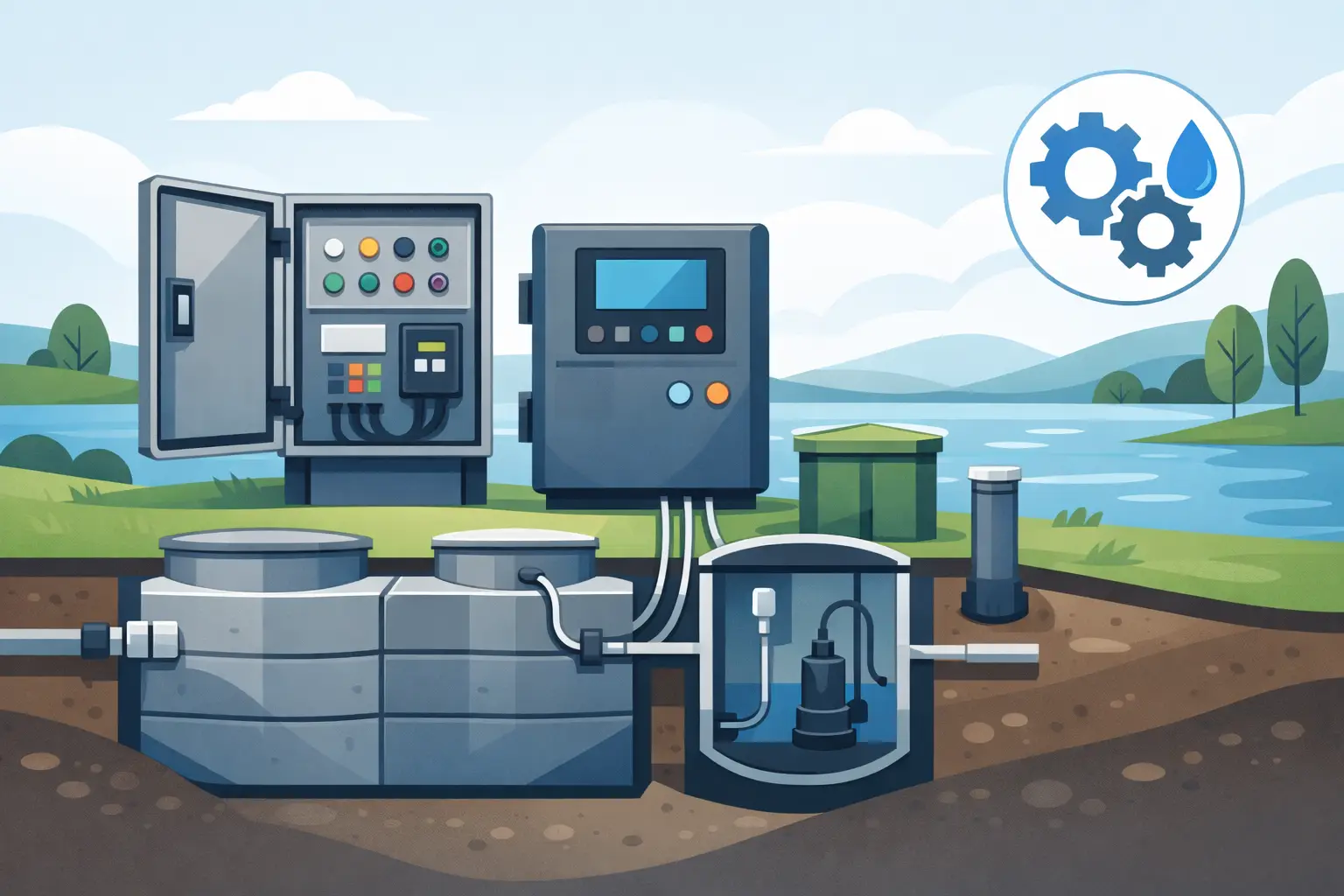
A septic alarm that keeps sounding, a pump that cycles unpredictably, or a panel with no clear status lights is not a minor electrical annoyance. It is a warning that the system may not be moving wastewater as designed. The best septic control panel upgrades protect the pump, provide earlier warning of trouble, and give property owners a clearer picture of what is happening below ground.
A control panel should not be selected by price alone. It needs to match the pump, tank configuration, float arrangement, electrical service, and the demands placed on the system. A panel that is oversized, underspecified, or incorrectly wired can shorten pump life and leave an owner without reliable alarm protection.
When a Control Panel Upgrade Makes Sense
Many control panels last for years, but age is not the only reason to replace one. If the enclosure is corroded, the alarm is unreliable, the breakers trip, or the pump runs without a clear reason, the panel needs professional evaluation. Repeated pump replacements can also point to a control issue rather than a pump problem.
Upgrades are especially worth considering when a property has added bedrooms, expanded commercial use, installed a high-efficiency but different-spec pump, or changed the septic system design. A panel designed for a basic single-pump setup may not provide the protection needed for a pressure-dosed drain field, grinder pump, duplex lift station, or advanced treatment unit.
Older panels may also lack clear alarm indicators, surge protection, pump run-time tracking, and remote notification. Those gaps matter when the property is vacant for long periods, serves tenants, or cannot tolerate a wastewater backup.
Best Septic Control Panel Upgrades for Reliability
The right upgrade depends on the system. A qualified septic technician should inspect the tank, floats, pump amperage, wiring, discharge line, and existing panel before recommending equipment. In many cases, these are the upgrades that provide the most practical value.
A properly matched pump control panel
The first priority is a panel rated for the actual pump load. It must have the correct voltage, horsepower rating, full-load amperage capacity, and starting protection. A panel that does not match the pump can overheat components, nuisance-trip, or fail to protect the motor during a fault.
For a single-pump septic system, a dependable simplex panel may be all that is required. Duplex panels are used where two pumps alternate or where a second pump provides backup. Commercial properties and high-use systems often benefit from lead-lag controls that alternate pumps and reduce wear on one unit.
High-water alarm with clear visual and audible signals
A high-water alarm is one of the most important safeguards in a pumped septic system. It activates when wastewater rises beyond the normal operating level, usually because of a pump failure, tripped breaker, blocked discharge line, or float problem.
A useful upgrade includes a loud audible alarm, a bright exterior-rated alarm light, and a silence switch that does not disable the visual warning. The alarm should be easy to see and hear from the home or building. If the system is located far from occupied areas, a remote alarm or notification option may be appropriate.
Pump run-time and cycle monitoring
A pump does not need to fail completely to create a problem. Longer run times, frequent short cycles, or constant operation can signal a worn pump, leaking check valve, failing float, restricted line, or hydraulic issue in the drain field.
A run-time meter and cycle counter provide useful service information. They help a septic specialist identify changes before they become an emergency. For commercial operators, recorded run-time data can also support maintenance planning and document that the system is receiving regular attention.
Surge protection and better electrical protection
Control panels are vulnerable to lightning, utility fluctuations, and power restoration surges. A surge event can damage relays, timers, alarms, and pump motors without leaving obvious exterior damage.
Adding appropriate surge protection can reduce this risk. Upgraded breakers, disconnects, terminal connections, and weather-resistant enclosures may also be necessary, particularly when the panel is exposed to moisture, sun, insects, or physical damage. Electrical work must meet local code and should be completed by qualified professionals familiar with septic controls.
Remote monitoring for high-risk properties
Remote monitoring is not necessary for every home, but it can be a strong investment for seasonal properties, rental homes, commercial sites, and advanced wastewater systems. Depending on the equipment, the panel can send alerts for high water, power loss, pump faults, or excessive run time.
Remote alerts do not replace inspections or maintenance. They do shorten the time between a failure and a response. That can be the difference between a service call and a backup inside the building.
Do Not Upgrade the Panel Without Checking the System
A new panel cannot fix a failed pump, saturated drain field, broken discharge pipe, or improperly set floats. If the alarm has activated, treat it as a system warning. Do not keep resetting the breaker or silencing the alarm without finding the cause.
A proper assessment starts with the electrical controls but does not end there. The technician should verify pump operation and amperage, inspect float positions, check the tank level, test alarm functions, and evaluate the discharge side of the system. Where appropriate, the drain field and treatment components should also be assessed.
This is particularly important after a backup, ponding water, sewage odor, or sudden change in pump cycling. Installing a more advanced control panel while ignoring the underlying hydraulic problem can waste money and delay the repair that actually protects the property.
Choosing the Right Level of Upgrade
For a typical residence with one effluent pump, a correctly sized simplex panel, reliable high-water alarm, and surge protection may be the best value. For a large home, a pressure-dosed system, or a property with frequent occupancy changes, added run-time monitoring and remote alarms may be justified.
Commercial systems require a more careful approach. Restaurants, offices, rental properties, campgrounds, and other higher-use facilities may need duplex controls, alternating pumps, advanced alarms, and documented maintenance records. The cost is higher, but so is the consequence of downtime.
Aquamatic evaluates septic controls as part of the complete wastewater system, not as an isolated electrical box. That approach helps identify whether the panel is the problem, the protection the system is missing, or one part of a larger failure.
If your septic alarm is active, your pump is behaving differently, or your current panel is outdated, arrange an assessment before the next heavy use period. Early control panel upgrades are far less disruptive than dealing with wastewater where it does not belong.