
How to Prepare for a Septic Inspection Visit
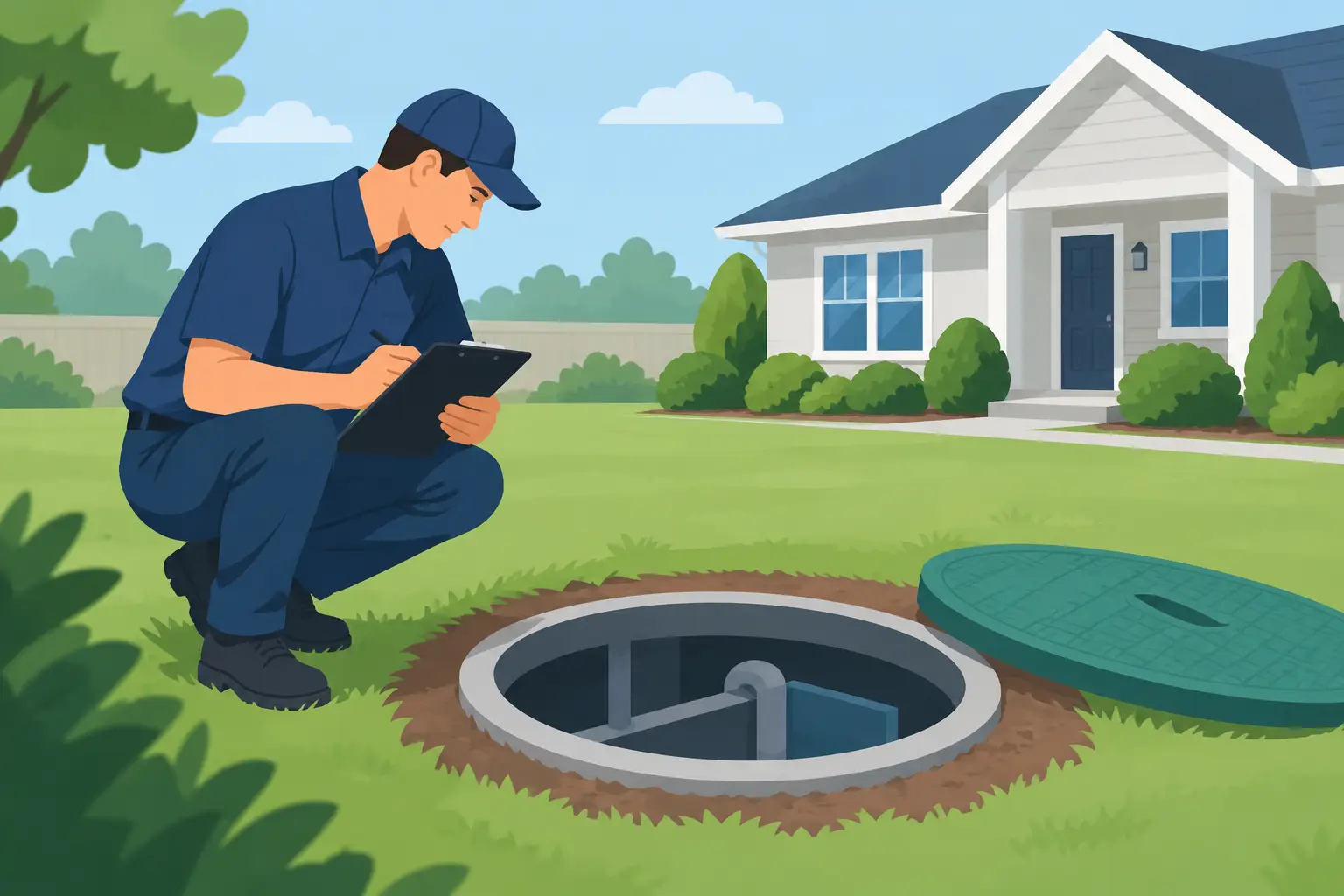
A septic inspection can uncover expensive problems, but poor access and missing information can also delay the work and leave key questions unanswered. Knowing how to prepare for a septic inspection helps the inspector assess your system accurately, whether you are selling a home, buying property, satisfying an insurer, or responding to a concern with your current system.
A proper inspection is more than a quick look at a tank lid. The inspector may need to locate components, check tank condition, assess pumps and alarms, review drain field performance, and document the system’s overall condition. Preparation keeps the appointment efficient and gives you a clearer result.
Know What Type of Inspection You Need
Start by confirming the purpose of the inspection. A real estate inspection often focuses on the system’s present condition, visible defects, remaining concerns, and whether the system appears to be operating as intended. An inspection for an insurer may require specific documentation, photos, or a written report.
If you have an active problem, such as a high-water alarm, sewage backup, slow drains, ponding water, or strong sewage odors, say so when scheduling. A troubleshooting visit may require a different approach than a routine inspection. The goal is not to hide a problem. It is to give the septic specialist enough information to diagnose it correctly.
Commercial properties should also identify the building use, occupancy, and any recent operational changes. A system serving a small office has different demands than one serving a restaurant, rental property, daycare, or seasonal facility.
Gather Your Septic System Records
Records help establish what is underground and what has changed over time. Bring together whatever information you have before the appointment. Even incomplete records can save time and prevent unnecessary digging.
Useful documents include permits, as-built drawings, site plans, prior inspection reports, pumping receipts, repair invoices, installation records, and maintenance agreements. If your system has a pump, control panel, alarm, advanced treatment unit, or electrical components, include manuals and service records when available.
Do not worry if you do not have every document. Many homeowners do not. Tell the inspector what you know: approximate tank location, age of the home, date of the last pumping, whether a pump has been replaced, and where you have seen wet areas or alarms. Clear, honest history is more useful than guessing.
Make the System Accessible
The inspector needs safe access to the tank, risers, lids, pump chamber, control panel, and sometimes the drain field area. Move vehicles, trailers, firewood, outdoor furniture, landscaping materials, and other obstacles away from these locations before the visit.
If you know where the tank lids are, mark them or point them out. Avoid digging into the area yourself unless you can do so safely and without damaging pipes, wiring, or lids. Septic lids can be heavy, cracked, or unsafe to handle. Never enter a septic tank or pump chamber. Toxic gases and low oxygen levels can become fatal within minutes.
Trim back vegetation that blocks access to panels, risers, or tank locations. If gates are locked, make sure the inspector can enter. For a property sale, confirm that the seller, buyer, agent, tenant, or property manager has arranged access to all relevant areas before the appointment time.
Protect the Drain Field Before the Inspection
The drain field is a critical part of the system, and its condition can be affected by how the property is used. Keep vehicles, equipment, livestock, and heavy materials off the drain field and reserve area. Compacted soil can reduce the system’s ability to treat and disperse wastewater.
If possible, avoid unusually heavy water use immediately before the appointment. Do not run several loads of laundry, drain a hot tub, host a large gathering, or discharge water softener backwash into the system unless that is part of your normal use pattern. An inspection should reflect realistic conditions, but extreme water use can create misleading symptoms or push a marginal system into failure.
Do not use chemical additives, drain cleaners, or products marketed as septic “fixes” before an inspection. These products do not repair a damaged tank, failed pump, blocked line, or overloaded drain field. They can also complicate diagnosis and create safety concerns for service technicians.
Do Not Pump the Tank Without Asking First
A common mistake is pumping the tank right before an inspection without first confirming the inspector’s requirements. Pumping may be necessary as part of the inspection, especially when the tank interior, baffles, liquid levels, or structural condition need to be evaluated. But pumping it beforehand can remove evidence the inspector needs to see.
Ask when scheduling whether pumping is required, who should arrange it, and whether the inspection should happen before, during, or after pumping. Requirements vary by location, transaction type, local regulations, and the inspection standard being used.
If the tank was recently pumped, provide the receipt and the exact date. A recently pumped tank is not proof that the entire septic system is functioning properly. Pumps, floats, alarms, distribution components, drain fields, and electrical controls can still have serious defects.
Check for Warning Signs and Report Them Clearly
Walk the property before the inspection and make a short note of anything unusual. Include when the issue started, how often it happens, and whether it occurs after rain, heavy water use, or power outages.
Pay attention to slow drains, toilet gurgling, sewage odors, wet or unusually green grass near the system, standing water, alarms, breaker trips, or wastewater backing up into fixtures. If an alarm is active, do not silence it and forget about it. The alarm is warning that the system needs attention.
For pumped systems, check that the control panel is accessible and that no one has turned off the breaker to stop an alarm. Turning off power may prevent sewage from reaching the next treatment or disposal stage, causing a backup. If you are unsure what to do, limit water use and call a septic specialist.
Prepare the Property and the People Involved
An inspection can involve decisions that affect a sale, a repair budget, or day-to-day operations. Make sure the right person is available by phone or on site to answer questions and approve access. For commercial facilities, notify the manager or maintenance contact so service areas, electrical rooms, and building access points are available.
Keep pets secured and make sure the inspector can work without interruption. If the property has tenants, provide proper notice and ask them to avoid excessive water use during the appointment if practical.
Aquamatic approaches septic inspections as system assessments, not guesswork. A tank, pump chamber, control panel, and drain field work together. Looking at only one component can miss the actual cause of a failure.
What Not to Do Before a Septic Inspection
Do not cover wet spots with soil, gravel, mulch, or sod. Do not mask odors with chemicals. Do not disconnect an alarm, reset breakers repeatedly, or make last-minute repairs without documenting them. These actions can hide useful evidence and may create a larger problem.
It is also wise not to promise a buyer, insurer, or tenant that the system is fine until the inspection is complete. A professional report may identify repairs, maintenance needs, or limitations that are not obvious from inside the building.
The best preparation is simple: provide access, share accurate records, report symptoms honestly, and avoid actions that interfere with the system. If the inspection reveals a concern, address it early. Septic problems rarely become less expensive when they are left underground and ignored.