
Backup Power for Septic Pumps That Works
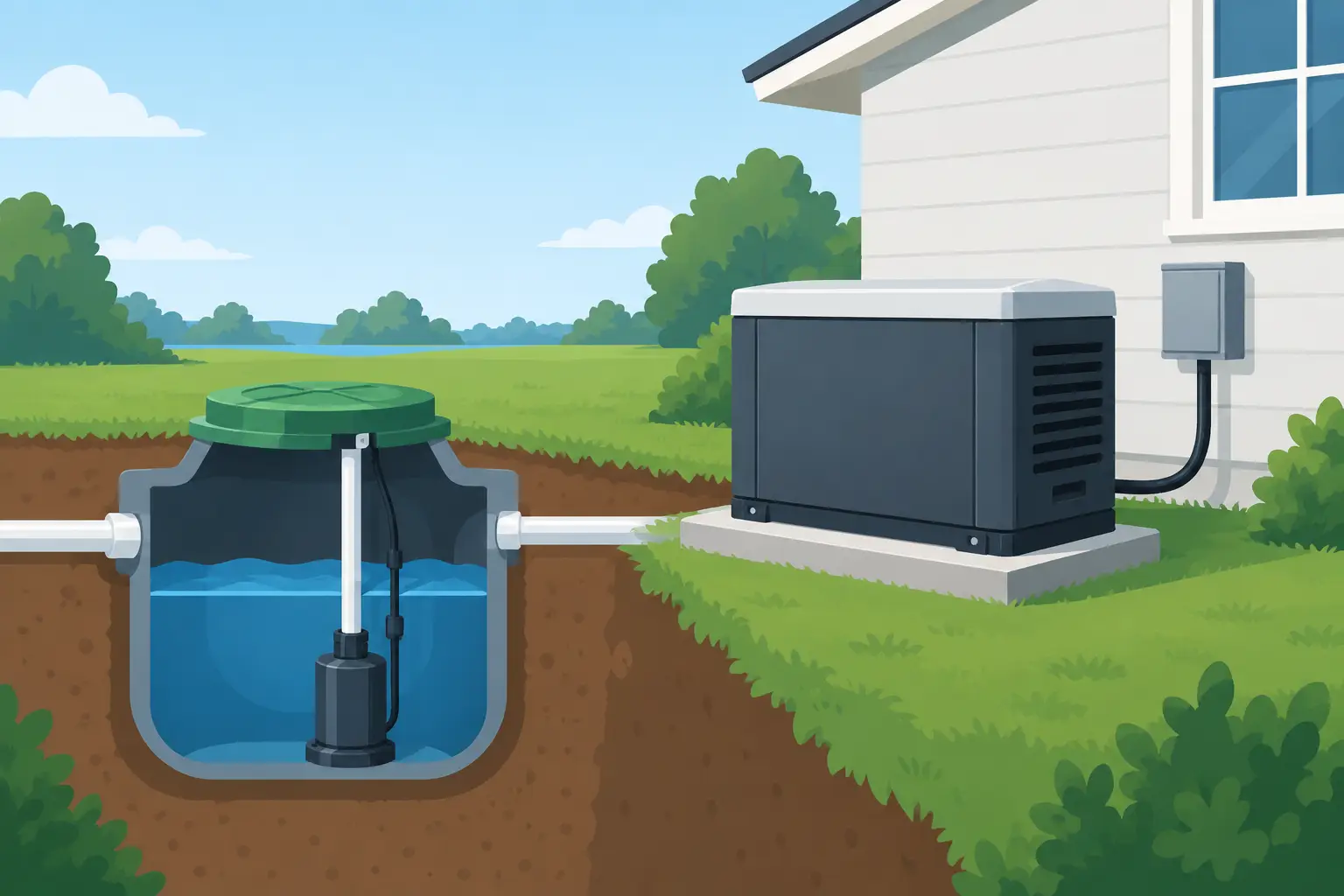
A power outage can turn a working septic system into an urgent wastewater problem faster than most property owners expect. If your system depends on a pump, backup power for septic pumps is not a convenience. It is protection against a full pump chamber, sewage backup, property damage, and an alarm that cannot be ignored.
A septic pump moves wastewater when gravity alone cannot. It may lift effluent to a drain field, dosing field, sand filter, mound system, or advanced treatment component. When the power goes out, the pump stops. Water use inside the home or building does not always stop with it.
Why a Septic Pump Needs Backup Power
The amount of time you have during an outage depends on the size of the pump chamber, how much water is entering the system, and the pump cycle volume. A lightly occupied home may have several hours before the chamber reaches a high-water condition. A commercial property, multifamily building, or home with active laundry, showers, and dishwasher use can fill the chamber much sooner.
A high-water alarm is useful only if it has power and someone hears it. Many alarm panels include a battery backup, but that battery generally runs the alarm circuit, not the pump. It can tell you the water level is high. It cannot move wastewater out of the tank.
This distinction matters. An alarm battery is a warning system. Backup power for the septic pump is an operating system.
Generator Backup Power for Septic Pumps
For most pumped septic systems, a properly sized portable generator is the most practical outage solution. It can run the pump, power the control panel, and keep the system functioning during a longer outage. The generator must be matched to the actual electrical load, not guessed based on the pump label alone.
A pump motor draws a higher starting load than its running load. Control panels, alarms, floats, heaters, aerators, and other treatment equipment may add to the required capacity. A generator that appears large enough on paper may still trip or fail to start the pump if it cannot handle the surge demand.
The safest setup uses a properly installed transfer switch or generator connection approved for the equipment. Never connect a generator directly to a receptacle or panel without the correct transfer equipment. Backfeeding can injure utility workers, damage controls, and create a serious fire hazard.
Portable generators also need to stay outdoors, away from windows, doors, vents, and enclosed spaces. Carbon monoxide is odorless and deadly. Keep cords protected from water and use equipment rated for outdoor conditions.
Manual vs. Automatic Generator Systems
A portable generator requires someone to set it up, start it, and monitor fuel. That can be a reasonable choice for a single-family home where outages are occasional and the owner is available.
An automatic standby generator is better suited to properties where wastewater service cannot wait. Commercial facilities, rental properties, homes that sit vacant, and systems with high daily flow may need a generator that starts automatically when utility power fails. The higher upfront cost can prevent an expensive emergency later.
The right decision depends on the consequences of downtime. If one missed pump cycle creates little risk, a portable generator and clear operating plan may be enough. If a few hours without pumping could cause an overflow, automatic backup deserves serious consideration.
Battery Backup: Useful, but Often Limited
Battery backup systems are common for sump pumps, but they are not automatically a good fit for septic pumps. Septic effluent pumps often require substantial power, especially at startup. A small battery inverter may run an alarm panel but may not have enough capacity to start or sustain the pump motor.
Battery-based backup can work in specific applications when the system is designed around it. This may include a lower-horsepower pump, limited pumping needs, a large battery bank, and an inverter rated for the motor’s surge load. It must be engineered for the pump and controls, not selected as a generic emergency product.
For many septic systems, battery backup is most valuable for keeping the alarm and monitoring equipment active while the property owner reduces water use and prepares generator power. It should not be assumed to provide full pump operation unless a qualified septic and electrical professional has confirmed the design.
What Size Generator Does a Septic Pump Need?
There is no one-size generator recommendation. Pump horsepower is only one part of the calculation. Voltage, phase, motor type, control panel components, wire length, and startup demand all matter.
A typical residential effluent pump may be 120 or 240 volts and range from fractional horsepower to one horsepower or more. Larger systems may use duplex pumps, three-phase motors, timers, aeration equipment, or advanced treatment controls. Those systems need a more detailed load assessment.
Before purchasing backup equipment, identify the pump model, horsepower, voltage, running amps, and control panel configuration. Confirm whether the pump is 120-volt or 240-volt. Then have the startup and running requirements reviewed by a qualified technician or electrician familiar with septic controls.
Buying too small creates a false sense of security. Buying far larger than necessary raises cost, fuel use, and installation requirements. Proper sizing is the practical answer.
Protect the System During an Outage
If utility power is out and the septic pump is not operating, reduce water use immediately. Do not run laundry, take long showers, start the dishwasher, or allow unnecessary water into the system. Each gallon used indoors is another gallon entering the septic tank and eventually the pump chamber.
If the high-water alarm sounds, treat it as an active warning. Check whether the power is out, whether the breaker has tripped, and whether the control panel shows a fault. Do not open tanks, reach into pump chambers, or attempt electrical repairs around wastewater. Septic tanks and pump chambers present electrical, biological, and confined-space hazards.
If you have generator backup, follow the system’s operating instructions and confirm that the pump is cycling normally. The alarm should clear after the water level drops. If the generator is running but the alarm remains on, the issue may be a failed pump, float switch, control component, blocked discharge line, or incorrect generator capacity.
Plan Before the Next Storm
A backup plan works only when it is ready before the outage. Test the generator under load, maintain fuel safely, and make sure the transfer equipment operates as intended. Review the pump panel periodically, especially before storm season or when a property will be vacant.
A septic system assessment can identify whether your pump, panel, alarm, and backup strategy match the demands of the property. Aquamatic works on the mechanical and electrical components that keep pumped septic systems operating, including pump replacements, control panel upgrades, alarms, and system troubleshooting.
Do not wait for a flooded pump chamber to find out whether your backup plan can start the pump. A properly sized power source, safe connection method, and clear response plan give you time to protect the system when the grid goes down.