
Septic Electrical Repair Problems That Need Fast Help
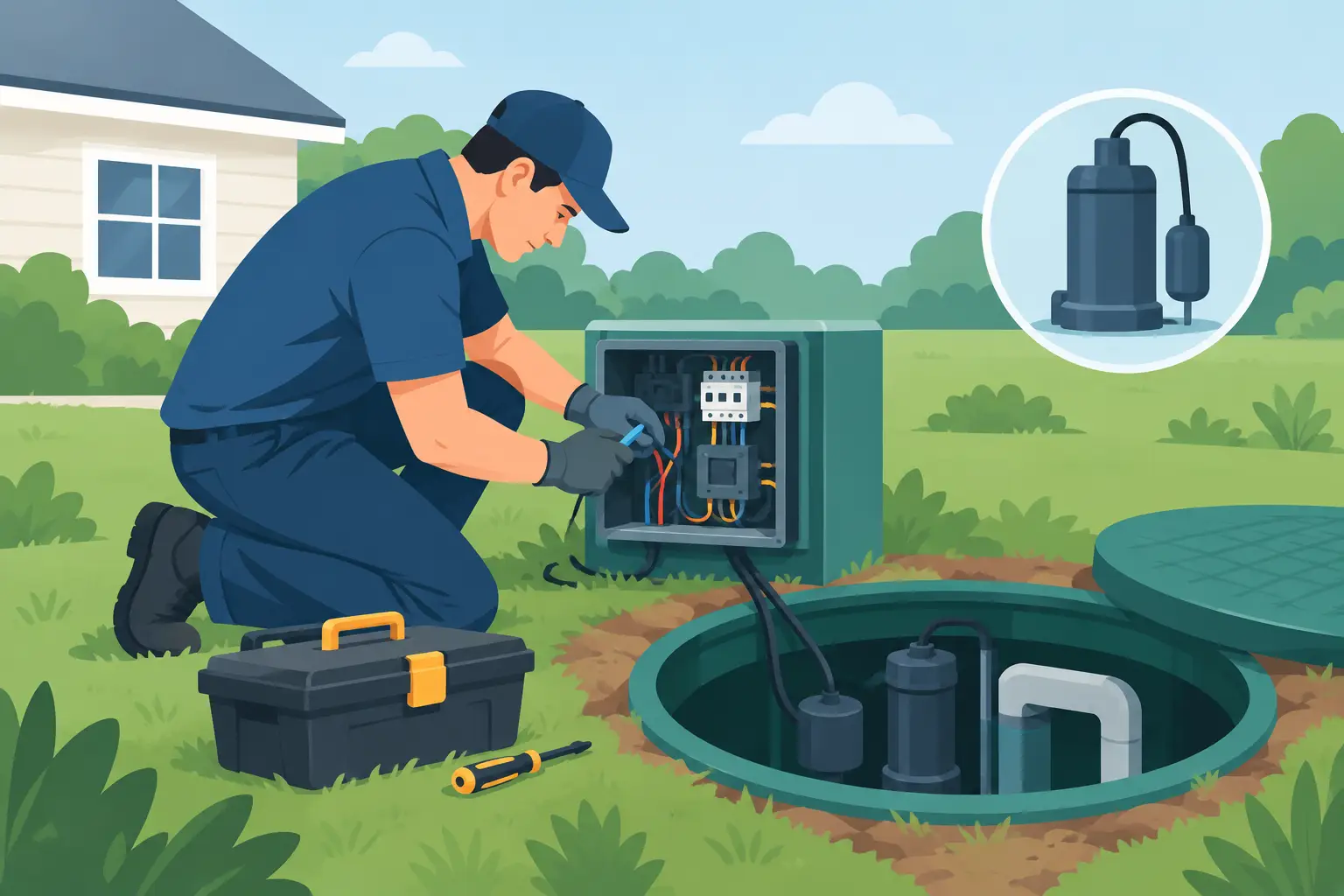
A septic alarm is not a problem to silence and revisit later. When a pump system loses power, a float switch sticks, or a control panel fails, wastewater can keep entering the tank with nowhere to go. Septic electrical repair protects your property from backups, surface discharge, equipment damage, and an avoidable emergency.
Electrical components are common failure points in pumped septic systems, grinder pump systems, pressure distribution systems, and commercial wastewater setups. The repair itself may involve a relatively small part, such as a float switch or breaker, but finding the actual cause requires a technician who understands how the electrical and wastewater sides of the system work together.
What Septic Electrical Repair Usually Involves
A septic system with a pump depends on more than the pump itself. It relies on a dedicated electrical circuit, a control panel, floats that signal water levels, wiring, connections, alarms, and sometimes a timer. If one part fails, the system may stop moving effluent to the drain field even though the rest of the property appears normal at first.
The most common electrical repair calls involve a tripped breaker that will not stay reset, a high-water alarm, a pump that runs continuously, or a pump that will not run at all. Homeowners may also notice slow drains, gurgling fixtures, sewage odors, wet ground near the tank, or water pooling around a pump chamber. These symptoms do not always mean the same thing. A blocked filter, failed pump, damaged line, overloaded drain field, or electrical fault can produce similar warning signs.
That is why a proper diagnosis matters. Resetting a breaker without knowing why it tripped can damage equipment or create a safety hazard. Replacing a pump without testing the control system can leave the real problem in place.
Control Panels and Alarms
The control panel is the operating center for many septic pump systems. It receives signals from floats, starts and stops the pump, and activates an audible or visual alarm when wastewater reaches an unsafe level. Panels can fail because of water intrusion, corroded terminals, power surges, worn relays, damaged wiring, or age.
A working alarm gives you time to reduce water use and arrange service before sewage backs up. A nonworking alarm removes that warning. If your alarm light stays on, the horn sounds, or the panel appears dead, treat it as an active system issue rather than a cosmetic electrical problem.
Pumps, Floats, and Wiring
A pump may fail mechanically, electrically, or both. A burned-out motor, seized impeller, failed capacitor, damaged cord, or loss of voltage can all prevent pumping. Float switches can tangle, stick, crack, or stop sending the correct signal to the panel. Rodents, moisture, ground movement, and improper splices can damage underground wiring.
Testing these components safely requires access to a wastewater environment and energized equipment. This is not ordinary household electrical work. The correct repair depends on the pump’s voltage, amp draw, duty cycle, basin size, system design, and the condition of the downstream drain field.
Signs You Need Septic Electrical Repair Now
Call for service promptly if you see an alarm, smell sewage near the tank or pump chamber, find wastewater on the ground, or experience a sudden backup. A pump system may continue receiving wastewater from toilets, showers, laundry, and sinks after the pump has stopped. The longer that continues, the less reserve capacity remains in the tank.
If the alarm activates, reduce water use immediately. Stop laundry, avoid long showers, postpone dishwasher cycles, and limit flushing to what is necessary. Do not keep resetting breakers or repeatedly cycling the panel switches. Do not enter a tank, pump chamber, or confined space. Septic gases can be deadly, and electrical equipment near water adds another serious risk.
A breaker that trips once after a storm may be related to a power event. A breaker that trips repeatedly often points to a short, failing pump motor, damaged wire, or moisture problem. The difference needs to be verified with testing, not guesswork.
Why a Septic Specialist Is the Right Call
A general electrician can diagnose power supply issues, and a plumber can address many household drainage concerns. But septic electrical problems sit at the intersection of power, pumps, wastewater flow, tank levels, and drain field performance. A repair that addresses only one piece can miss the cause of the failure.
A septic specialist evaluates the entire operating sequence: whether power reaches the panel, whether floats are calling for the pump, whether the panel responds, whether the pump receives correct voltage, whether the pump is moving effluent, and whether the system can accept that effluent at the drain field. This approach prevents unnecessary replacements and identifies conditions that could cause a new component to fail early.
For commercial properties, the stakes are often higher. Restaurants, offices, rental properties, campgrounds, and multi-unit buildings can load a wastewater system quickly. A control failure can interrupt operations, create health concerns, and require documentation for property managers, insurers, or regulators. Fast diagnosis and clear reporting help limit disruption.
Repair, Upgrade, or Replacement?
Not every electrical problem requires a full replacement. A damaged float, relay, fuse, terminal, or section of wiring may be repairable. A panel with obsolete parts, recurring corrosion, inadequate alarm protection, or no reserve alarm may be better replaced or upgraded.
The same applies to pumps. If a pump has reached the end of its service life, draws excessive amperage, or has failed repeatedly, replacement is often more practical than another temporary repair. However, installing a larger pump is not automatically the answer. Pump selection must match the system design. Too much flow can overload a drain field, while too little flow can leave the tank at unsafe levels.
A qualified assessment should explain what failed, why it failed, what must be repaired now, and which upgrades would reduce future risk. That gives property owners a clear decision instead of a vague recommendation.
Preventing the Next Electrical Failure
Routine maintenance catches small issues before they become a high-water alarm or sewage backup. During service, a technician can test alarm operation, inspect floats, check panel condition, review pump performance, verify electrical connections, and look for signs of water intrusion or corrosion.
Keep the control panel accessible and avoid covering it with storage, landscaping, or structures. Know where the alarm panel and dedicated breaker are located. If you buy a septic-dependent property, request a complete system assessment rather than assuming a quiet panel means the system is working correctly.
Aquamatic handles septic systems as complete wastewater systems, not isolated electrical or plumbing calls. When an alarm sounds or a pump stops, the goal is not simply to restore power. It is to restore safe, reliable wastewater movement and protect the property behind it.
If your system is signaling trouble, use less water, stay clear of tanks and electrical equipment, and get the cause diagnosed before a warning becomes a backup.