
Best Septic Alarm Features for Reliable Protection
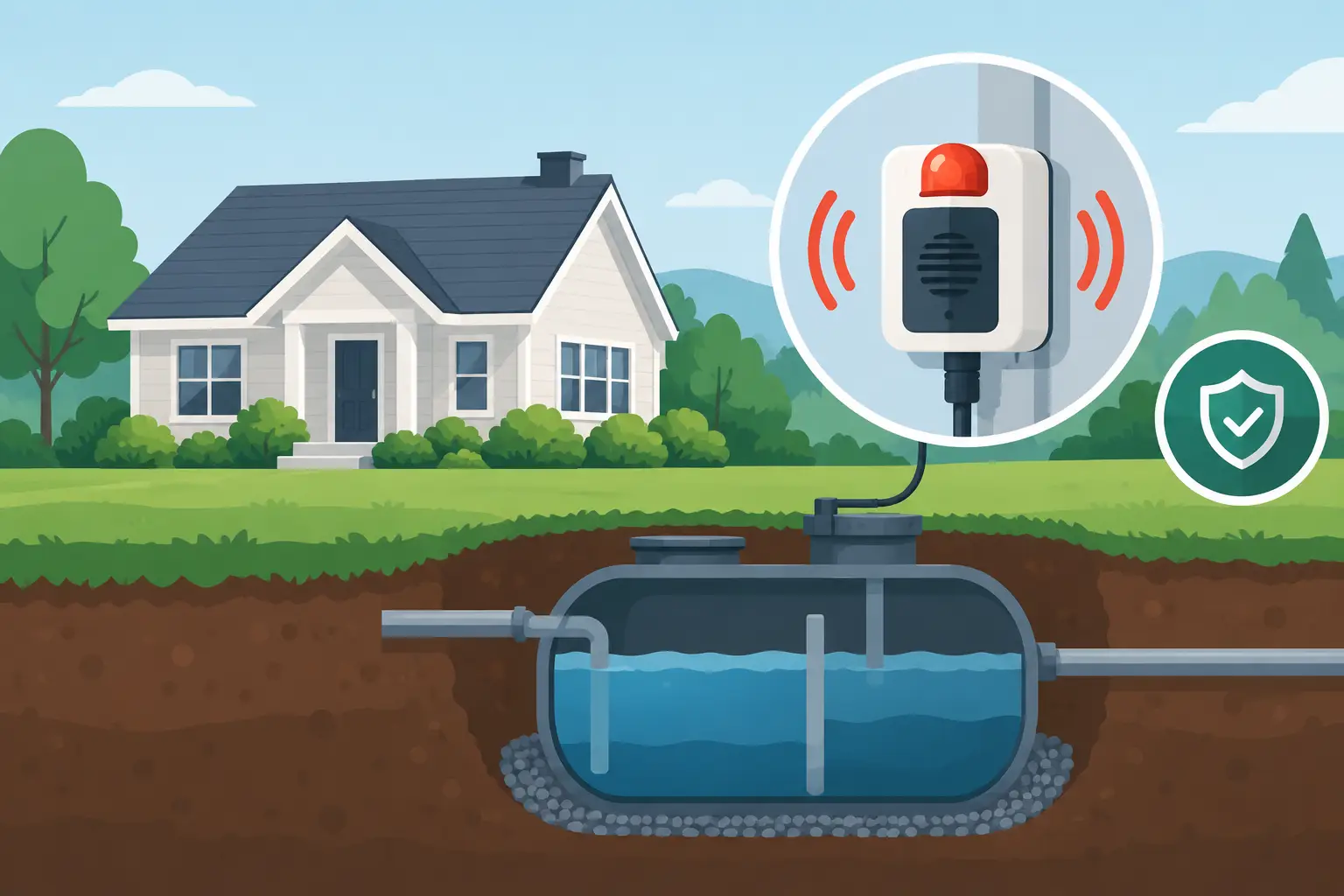
A septic alarm is not a convenience feature. On a pump-dependent system, it is the early warning that can prevent a wastewater backup, protect the drain field, and give you time to call for service before a small electrical or mechanical failure becomes a major repair. The best septic alarm features do more than make noise. They identify the right problem, warn the right people, and keep working when conditions are poor.
For homeowners, commercial operators, and property managers, the right alarm depends on the system. A basic high-water alarm may be enough for a simple residential pump tank. A larger commercial system, grinder pump station, or advanced treatment unit may need monitored controls, multiple alarm points, and remote notification. The goal is the same: know when the system is no longer moving wastewater as designed.
Best Septic Alarm Features That Matter Most
A high-water float with the correct activation level
The most essential feature is a dedicated high-water alarm float. This float sits above the normal pump operating floats and activates when the liquid level rises beyond its expected range. It should provide enough warning time to respond before sewage reaches the tank inlet, backs up toward the building, or overflows through a lid or riser.
Placement matters. An alarm float set too low can create nuisance alarms during normal pump cycles. Set too high, it may not warn you until there is little time left. Proper float elevation must account for tank size, daily flow, pump capacity, and the system’s normal operating range.
Audible and visual alerts
A reliable alarm should use both a loud audible buzzer and a clearly visible light. The audible alarm gets attention when someone is nearby. The visual indicator tells you which condition occurred after the buzzer has been silenced.
Do not rely on a light alone, especially if the control panel is located in a basement, utility room, garage, or outside enclosure that is not checked every day. Likewise, a buzzer alone is not enough if the building may be vacant or if equipment noise could mask it. Both alerts provide a practical first line of protection.
Remote notification for vacant or high-use properties
Remote monitoring is one of the most valuable septic alarm upgrades for properties that are not occupied full time, commercial sites, rental properties, and facilities with consistent wastewater demand. Depending on the equipment, the system can send a text message, app notification, email, or call when an alarm condition occurs.
Remote notification does not replace an on-site alarm. Cellular service can fail, subscriptions can lapse, and messages can be missed. It adds another layer of warning when no one is standing near the panel. For a business that cannot afford restroom closures, interrupted operations, or wastewater exposure, that extra warning can be worth the investment.
Power-loss alarm and battery backup
A pump cannot move wastewater without power. During an outage, the tank continues receiving water from toilets, sinks, showers, and appliances. If the outage lasts long enough, the tank level can rise even though the pump itself is mechanically sound.
A control panel with a power-loss alarm and battery backup can alert you that the pump circuit is down. This is particularly useful when a breaker trips, a GFCI outlet fails, a disconnect is turned off, or a storm causes a utility outage. The backup battery should be tested and replaced on schedule. An alarm with a dead backup battery may stay silent at the exact moment it is needed.
Pump run-time monitoring
A high-water alarm tells you that the tank level is too high. Run-time monitoring helps identify a problem before the high-water float activates. If a pump runs longer than normal or cycles too often, the panel can indicate a developing issue such as a worn pump, clogged discharge line, failed check valve, leaking fixture, groundwater intrusion, or a float problem.
This feature is especially useful for systems with a history of pump failures or high seasonal groundwater. It can also reveal when the system is working harder than it should, which may shorten pump life and increase electrical costs. Run-time data is not a diagnosis by itself, but it gives a septic technician useful information during service.
Features That Help Technicians Diagnose the Problem
A good alarm panel should not simply say that something is wrong. It should help narrow down what happened. This reduces guesswork and supports faster repairs.
Look for a panel with labeled indicators for common conditions such as high water, pump failure, loss of power, pump overload, and control circuit faults. Separate alarm history or event logging is even better on complex systems. If an alarm comes and goes overnight, stored data can show whether the pump was short cycling, the float was intermittently sticking, or power was interrupted.
Hand-off-auto controls are also valuable when installed and used correctly. In automatic mode, the pump responds to its control floats. Hand mode allows a qualified technician to manually test the pump. Off mode disables pumping for safe service. These controls should be clearly marked and protected from casual use. Running a pump manually without understanding tank conditions can cause damage, overflow, or dry running.
The Control Panel Matters as Much as the Alarm
The alarm components are only as dependable as the panel that supports them. Outdoor panels need weather-resistant enclosures, secure seals, proper conduit connections, and protection from insects and moisture. Indoor panels still need dry, accessible locations and properly labeled electrical circuits.
A quality installation should include correctly sized breakers, overload protection, a disconnect where required, and wiring suitable for the environment. Corroded terminals, undersized wiring, damaged conduit, and poor grounding can all create intermittent alarms or prevent the pump from operating.
For homes and commercial properties with critical wastewater demand, surge protection is worth considering. Power surges and lightning can damage control boards, relays, floats, and pump motors. It is not a guarantee against all electrical damage, but it can reduce the risk of a costly failure.
Avoid Features That Create False Confidence
The most expensive alarm is not necessarily the best one. A complicated monitoring system may be unnecessary for a small, occupied home with a straightforward pump tank. In that situation, a professionally installed high-water float, audible and visual alarm, power-loss warning, and regular testing may be the right solution.
On the other hand, a low-cost standalone alarm may not be enough for a large property or a system that serves multiple tenants, employees, customers, or residents. If the alarm does not provide remote warning, run-time information, or clear fault indicators, a failure may go unnoticed until wastewater has already created a health and property hazard.
False alarms also deserve attention. Do not silence an alarm repeatedly and assume it is a float issue. A recurring alarm may indicate pump wear, restricted flow, excessive water use, electrical trouble, or a drain field problem. The alarm is doing its job by telling you the system needs evaluation.
Installation and Testing Are Part of the Feature Set
Even the best septic alarm features will not protect a property if floats are tangled, settings are incorrect, or the panel is never tested. Alarm installation should be matched to the specific tank, pump, controls, and wastewater load. This is not a one-size-fits-all electrical add-on.
Test the audible alarm, light, backup power, and remote notification according to the manufacturer’s instructions and your maintenance plan. Keep the panel accessible. Do not store items in front of it, bury the lid beneath landscaping, or ignore a damaged riser that makes tank access difficult.
If your septic alarm sounds, reduce water use immediately. Avoid laundry, long showers, dishwashers, and unnecessary flushing until the cause is identified. Check only safe, obvious items such as whether the breaker has tripped. Do not open a tank or enter a confined space. Septic gases and unstable conditions can be dangerous.
A septic alarm should give you time to act, not permission to wait. The right features, proper installation, and prompt service turn that warning into real protection for your property and everyone using it.
Leave a Reply