
How to Repair Septic Lid Damage the Safe Way
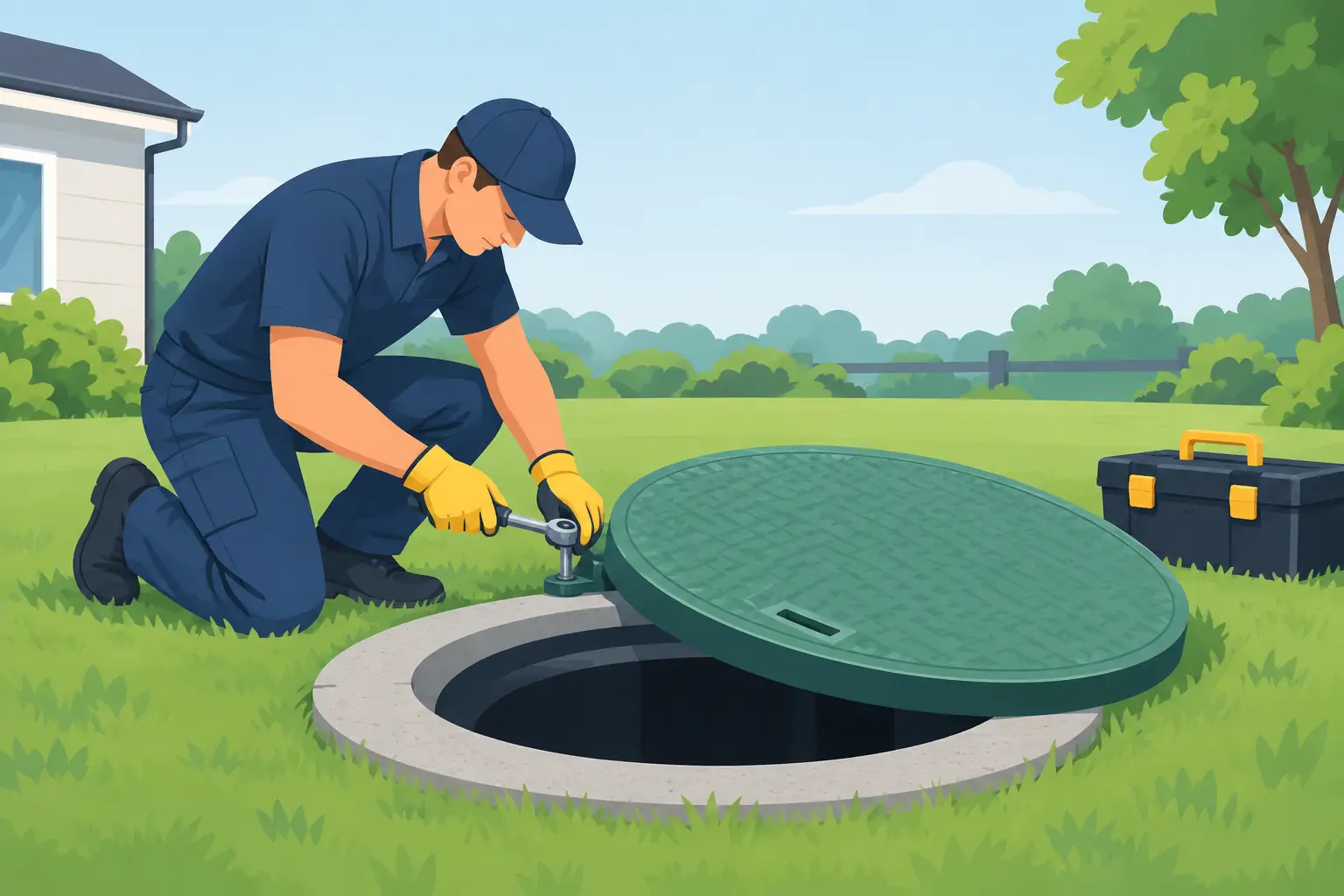
A damaged septic lid is not a cosmetic problem. A cracked, shifted, or deteriorated lid can allow surface water into the tank, release sewer gas, create a fall hazard, and leave the system vulnerable to collapse. If you are searching for how to repair septic lid damage, start with the safety issue: never stand on a suspect lid, and never open a septic tank without proper equipment and training.
A septic lid may cover a tank access opening, a riser, a pump chamber, or a distribution component. The correct repair depends on what is damaged, what material the lid is made from, and whether the surrounding tank structure is still sound. In many cases, replacement is safer and more durable than patching.
First, Secure the Area
Keep people, pets, vehicles, and lawn equipment away from the damaged cover. Place a visible barrier around the area if the lid is cracked, sunken, loose, or missing. Do not cover it with plywood, a pallet, or loose soil and assume it is safe. Those temporary measures can shift under weight and conceal a serious opening.
If the cover is near a driveway, parking area, or commercial traffic route, treat it as urgent. Standard septic lids are not designed to support vehicle loads unless the tank, riser, and lid assembly were specifically engineered and installed for traffic-rated use.
Do not enter the tank or lean into an open access point. Septic tanks can contain toxic and oxygen-deficient gases. A person can lose consciousness quickly, and a rescue attempt can put another person at risk. This is specialized confined-space work.
Identify What Is Actually Damaged
A professional inspection should determine whether the problem is limited to the lid or extends below it. A lid that will not sit flat may point to a damaged riser, broken tank neck, shifted concrete, or soil movement around the access opening.
Common septic lid damage includes:
- Hairline cracks or broken corners in a concrete cover
- A warped, brittle, or split plastic lid
- A loose lid caused by stripped fasteners or a damaged riser rim
- A sunken lid caused by failed soil support or a deteriorated tank top
- Gaps around the lid that allow rainwater, groundwater, dirt, or insects into the system
- A lid broken by vehicle traffic, mowing equipment, tree roots, or freeze-thaw movement
The material matters. Concrete lids can crack from age, improper loading, or reinforcement failure. Plastic and fiberglass lids may degrade from sun exposure, impact, or incorrect fastening. Older tanks may have original concrete covers that are heavy, unsealed, and no longer appropriate for safe routine access.
Can You Repair a Cracked Septic Lid?
Minor surface deterioration can sometimes be repaired, but only after confirming that the lid still has full structural integrity. A surface chip around the edge is different from a crack that runs across the cover or through the area carrying weight.
Sealing a small gap around an otherwise sound riser lid may be appropriate. The goal is to keep stormwater and soil out while maintaining secure, serviceable access. The lid must still fit properly and be fastened as designed.
A cracked concrete lid should generally be replaced rather than patched. Concrete patch products may improve appearance, but they do not reliably restore the lid’s ability to support weight. The same applies to a plastic lid with a split, warped flange, or failed locking tabs. A repair that looks acceptable from above can still fail without warning.
If the damage affects the tank top, riser connection, or access opening, the repair becomes more involved. The technician may need to expose the area, remove loose material, rebuild or replace the riser, and install a new properly sized lid. This work must preserve a watertight seal and allow future pumping, inspection, and pump service.
Why a Watertight Lid Matters
A septic tank is designed to receive wastewater from the building, not large volumes of rainwater and groundwater. A leaking lid can send unnecessary water into the tank, reduce treatment time, overload pumps, and contribute to drain field stress.
This is especially serious for systems with pumps, alarms, or advanced treatment components. Extra water can make a pump run more often, raise the liquid level, trigger a high-water alarm, and increase wear on electrical equipment. If you see standing water around a lid, smell sewage, or hear an alarm, the lid may be part of a larger system problem.
A loose lid also allows dirt, rocks, and debris into the tank. Those materials can interfere with pumps, floats, filters, and effluent components. What begins as a damaged cover can lead to a more expensive service call if it is ignored.
The Right Repair Depends on the Location
Not all septic lids serve the same purpose. A main tank access lid is often sized for pumping and inspection. A pump chamber lid protects electrical floats, pump controls, and discharge equipment. A distribution box lid provides access to drain field connections. Each location may require a different lid style, gasket, riser diameter, and fastening method.
For example, replacing a damaged pump chamber lid requires more than dropping a new cover in place. The technician must verify that electrical conduits are protected, cords are not pinched, and the lid seals correctly around the riser. A poor fit can allow water into the chamber or damage electrical components during future service.
A riser-and-lid upgrade is often the right long-term solution for older buried covers. Risers bring access points closer to grade, reducing future digging and making inspections, pumping, and emergency repairs faster. The trade-off is that the assembly must be installed correctly, secured against unauthorized access, and placed where it will not be exposed to vehicle traffic or landscaping damage.
Do Not Use a Makeshift Cover
Homeowners sometimes place a sheet of plywood, metal, or loose concrete over an opening while waiting for service. That may keep debris out briefly, but it is not a safe repair. It can trap moisture, shift unexpectedly, and give someone false confidence that the area can be walked on.
Avoid using expanding foam, household caulk, mortar alone, or adhesive as a structural lid repair. These products may seal a small exterior gap in the right application, but they cannot turn a compromised cover into a safe load-bearing component. Never drill, cut, or modify a septic lid without knowing the tank and riser material beneath it.
When to Call a Septic Specialist Immediately
Call for professional service if the lid is broken through, missing, sinking, leaking, or located where people or vehicles could cross it. You should also call if you notice a sewage odor, wet soil, standing water, a septic alarm, slow drains, backups, or an unexplained increase in pump activity.
A qualified septic technician can inspect the lid, riser, tank opening, pump chamber, and surrounding grade as one system. The right repair may be a replacement lid, a sealed riser, a tank-top repair, or a larger correction to address infiltration and structural damage. Aquamatic handles septic access, riser, lid, pump, and tank repairs with the system safety and long-term serviceability in mind.
A septic lid should be secure, watertight, accessible for service, and safe around daily property use. If there is any doubt about its condition, keep the area clear and have it assessed before a small access problem becomes a safety emergency.