
Best High Water Alarms for Septic Systems
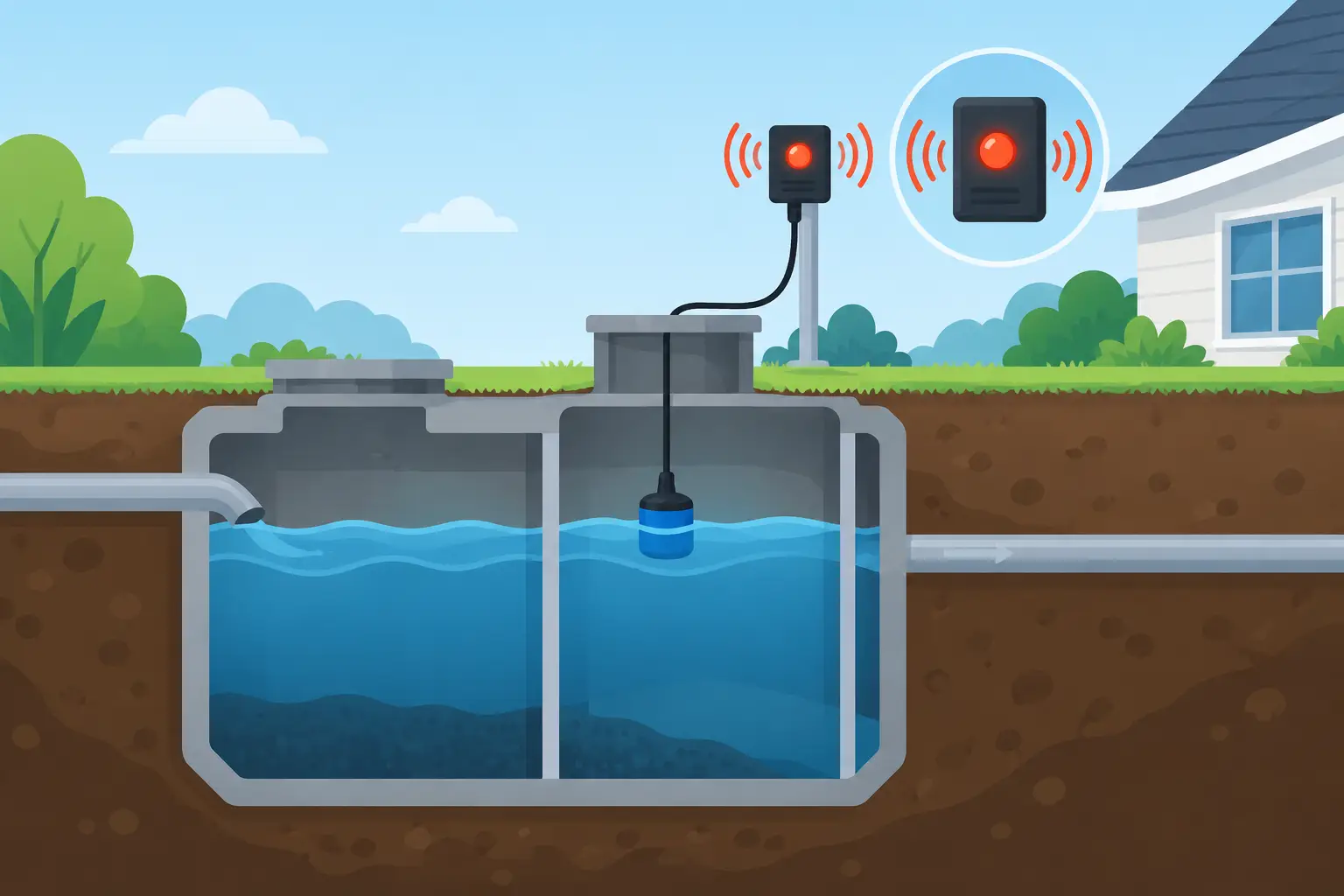
A high-water alarm is not an accessory on a pumped septic system. It is the warning that gives you time to act before wastewater reaches a lid, floor drain, fixture, or yard. The best high water alarms are dependable, correctly matched to the system, and installed where they will provide a useful warning – not just make noise after the tank is already overloaded.
For homeowners and property operators, the right alarm is less about finding the loudest box and more about protecting a pump chamber, drain field, building, and occupants. A quality alarm can identify a rising water level caused by a pump failure, tripped breaker, damaged float, blocked discharge line, or control-panel problem. It cannot fix the failure, but it can prevent a small electrical or mechanical issue from becoming a sewage backup.
What Makes a High-Water Alarm Worth Installing
A proper high-water alarm has a simple job: it activates when effluent in the pump chamber rises above its normal operating range. Most systems use a separate float switch mounted above the pump-on float. When that alarm float rises, it triggers an audible alarm, a visual beacon, or both.
The best setups use a dedicated alarm float rather than relying on the pump control float to do two jobs. Separate floats provide redundancy. If the pump float sticks or the pump stops running, the alarm float still has a chance to alert you before the water level reaches the tank inlet or backup point.
For a residential system, an audible buzzer and red warning light may be enough when the panel is close to the home or regularly occupied. For a commercial building, rental property, seasonal property, or remote site, a monitored or cellular alarm can be a better fit. These systems can send a text or call alert when the water level rises, which matters when nobody is near the panel to hear the alarm.
Best High Water Alarms: The Features That Matter
There is no single best unit for every septic system. The best high water alarms for your property depend on the pump voltage, control-panel design, tank layout, local code requirements, and how quickly someone can respond. Still, several features separate a serviceable alarm from one that creates false confidence.
Audible and visual warning
An audible alarm should be loud enough to be heard in the area where people live or work. A visual light is equally important because a buzzer may be missed during storms, equipment operation, sleep, or when the property is vacant. The alarm must be located where it can be seen and heard, not hidden in a garage corner or behind stored items.
Battery backup
Power outages are a common reason for high-water conditions. If utility power fails, the septic pump cannot move effluent out of the chamber. An alarm with battery backup can continue to warn you even when the panel has lost normal power. This is especially valuable for systems serving occupied homes, businesses, and properties with frequent storm-related outages.
Battery backup does not keep the pump running unless the system also has a properly sized generator or backup power source. It only keeps the warning system active. That distinction matters during an outage: reduce water use immediately and arrange service if the alarm remains active after power returns.
Reliable float switches
The float switch is the part inside the tank that detects rising liquid. It must be rated for wastewater use, installed at the correct elevation, and secured so it can move freely. A cheap or poorly installed float can tangle with the pump cord, catch on piping, or activate too early or too late.
Tether length and mounting position are not minor details. They determine the alarm level and the amount of reserve storage available before a backup occurs. A septic specialist should set the float based on actual tank dimensions, pump capacity, drawdown, inlet elevation, and system design.
Correct electrical compatibility
Alarm panels and floats must match the electrical system they serve. A 120-volt residential pump setup is different from a 240-volt pump system or a commercial duplex panel with alternating pumps. Some control panels include high-water alarm circuits as standard equipment. Others require a separate alarm panel or upgraded controls.
Do not treat a septic alarm as a general electrical add-on. The wiring, disconnects, breakers, pump controls, and alarm circuit need to work together. Incorrect electrical work can leave a pump unprotected, create nuisance alarms, or introduce a safety hazard.
Remote monitoring when response time matters
Remote monitoring is not necessary for every home, but it is valuable in the right situation. It makes sense for vacation homes, rental properties, rural sites, restaurants, offices, multi-unit properties, and systems with higher daily wastewater volume. A text alert can give an owner or manager a chance to stop water use and dispatch service before the chamber overflows.
Remote alerts also have trade-offs. They depend on signal strength, power, battery condition, account setup, and periodic testing. They should supplement a properly installed local audible and visual alarm, not replace it.
When a Basic Alarm Is Enough – and When It Is Not
A basic audible and visual alarm is often appropriate for a single-family home with a standard effluent pump, accessible control panel, and occupants who are present every day. It is simple, effective, and easier to maintain than a connected device.
A more advanced alarm is justified when the consequences of failure are higher. Commercial systems, pressure-dosed drain fields, grinder pumps, shared systems, and properties with limited reserve capacity need faster notification and closer oversight. A duplex pump station may also require a panel that alarms for high water, pump failure, alternation faults, and power loss.
The wrong approach is buying an alarm based only on price or online ratings. A device may be well-reviewed and still be unsuitable for your pump tank, panel voltage, or wastewater conditions. The alarm is part of a working system, not a stand-alone gadget.
What to Do When the High-Water Alarm Sounds
Treat an active alarm as a service issue, not a reason to repeatedly reset the breaker. First, stop or sharply reduce water use. Do not run laundry, showers, dishwashers, or large-volume fixtures. Every gallon sent down a drain adds to the pump chamber while the system is unable to keep up.
Check whether there has been a power outage or a tripped breaker. If power is off, wait for it to return, but continue limiting water use. If the breaker has tripped, do not keep resetting it. A repeatedly tripping breaker can point to a failing pump, shorted wiring, water intrusion, or control problem.
If the alarm stays on after power is restored, or if you see wastewater near the tank, drains, or yard, call a septic and wastewater specialist. The cause may be a failed pump, stuck float, blocked force main, failed check valve, damaged control panel, or a downstream system issue. The alarm tells you the water is high. Diagnosis determines why.
Installation and Testing Are Part of the Alarm
Even the best alarm will not protect the property if it is installed at the wrong elevation, wired incorrectly, or never tested. A proper installation includes checking pump operation, float movement, alarm activation, panel function, electrical protection, and the condition of the tank lid and risers.
Test the alarm at least once or twice a year, and after major electrical work or flooding. Many panels include a test switch. The audible alarm and warning light should activate immediately. If the panel has a battery backup, confirm the battery is present, connected, and replaced on schedule.
Aquamatic installs and services septic alarms as part of complete pump and control-system work. That matters because an alarm issue can be a float problem, but it can also be the first sign of a pump, panel, discharge line, or drain-field failure.
A high-water alarm should give you a clear warning and a practical window to respond. If yours is silent, unreliable, missing, or frequently activating, have the system inspected before the next alarm becomes a backup.