
How to Prevent Tank Overflow in Septic Systems
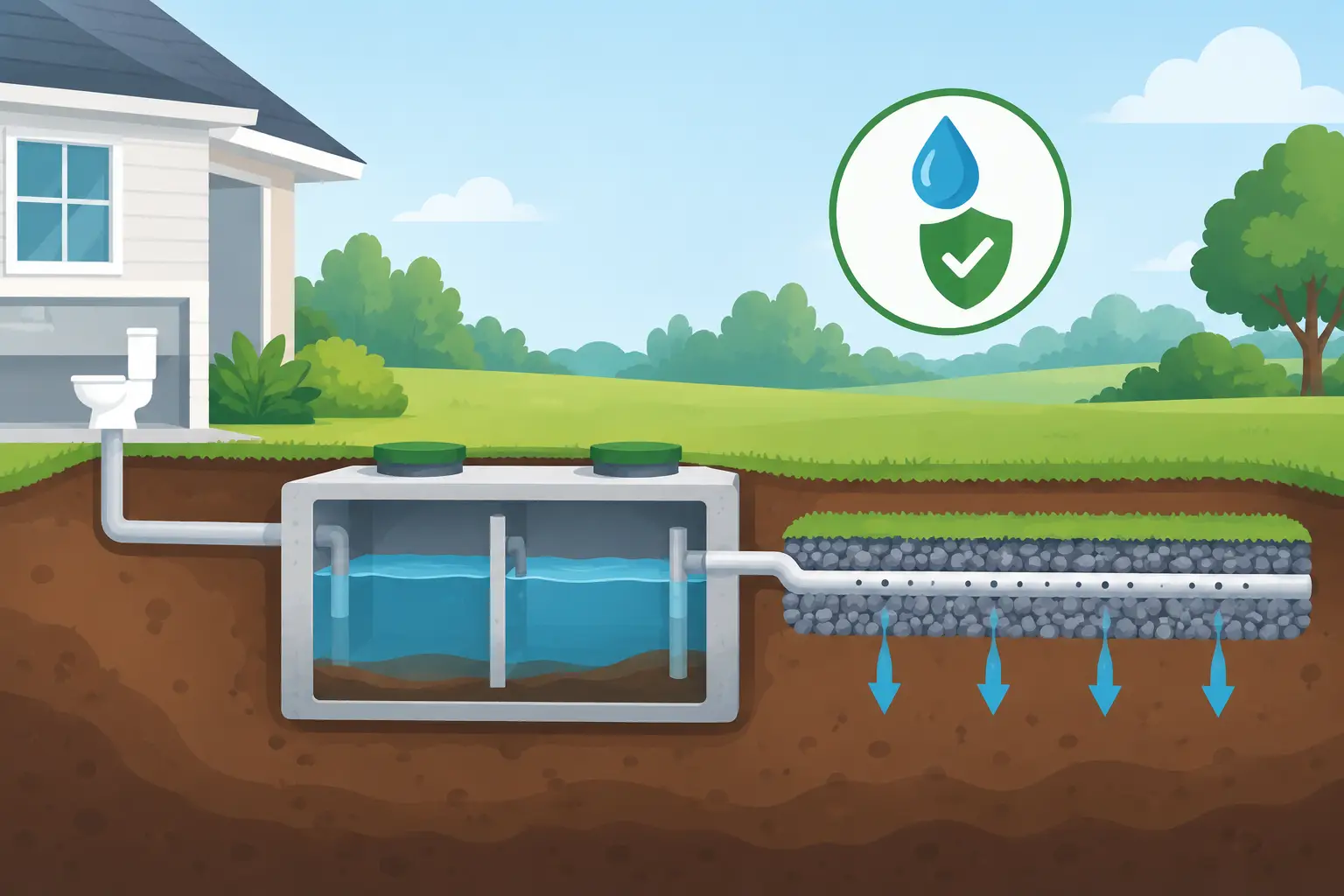
A tank overflow rarely begins with wastewater on the ground. It usually starts with warning signs that are ignored: an alarm panel flashing, drains slowing down, a wet area near the tank, or a pump that runs longer than normal. Knowing how to prevent tank overflow means acting on those early signs before a manageable repair becomes a backup, property damage, or a health concern.
For homes and businesses with septic systems, prevention comes down to three things: knowing what type of tank you have, reducing unnecessary stress on the system, and keeping mechanical components maintained. A septic tank, pump tank, holding tank, and grease-related wastewater system do not fail in exactly the same way. The correct response depends on the equipment and the cause.
Why Septic and Pump Tanks Overflow
A tank overflows when wastewater enters faster than it can leave, or when the system cannot move, treat, or disperse that wastewater as designed. In a conventional gravity septic system, the issue may be a full tank, blocked outlet, damaged baffle, or failing drain field. In a pump-assisted system, the pump, float switch, control panel, alarm circuit, discharge line, or check valve may be the problem.
Heavy rain can expose an existing weakness, especially where surface water enters a damaged lid, riser, or electrical conduit. It can also saturate the drain field, leaving treated effluent with nowhere to go. Rain is not always the root cause. If the system overflows whenever water use increases, it needs a proper assessment.
Commercial properties can face additional pressure from high fixture use, irregular occupancy, kitchens, laundry operations, or restrooms used by customers and staff. A system sized for one level of use may not handle an expansion, renovation, or change in occupancy without upgrades.
How to Prevent Tank Overflow Before It Starts
Keep up with scheduled pumping
Pumping removes accumulated solids from the septic tank. It does not repair a failed drain field or a bad pump, but it prevents solids from reaching components they can clog or damage. The right pumping interval depends on tank size, household size, water use, garbage disposal habits, and the type of system.
Do not wait for odors or backups to decide a tank needs service. By then, the system may already be under strain. A maintenance professional can recommend an interval based on actual system conditions rather than a generic schedule.
Treat alarms as urgent warnings
A high-water alarm means the water level in a pump tank has risen above its normal operating range. The pump may have failed, power may be off, a breaker may have tripped, or a float or control panel may not be working. The alarm may also signal that the discharge line is blocked or the receiving area cannot accept effluent.
Do not silence the alarm and continue normal water use. Reduce water use immediately. Avoid laundry, long showers, dishwashers, and unnecessary flushing until the cause is identified. Check whether the system has lost power, but do not open electrical panels or enter a tank. Septic gases and confined spaces are dangerous.
Protect the drain field
The drain field is not a parking area, storage yard, or construction staging zone. Vehicle traffic can crush pipes and compact soil, reducing the field’s ability to disperse wastewater. Keep heavy equipment, livestock, sheds, stockpiled material, and deep-rooted trees away from the area.
Direct roof runoff, sump discharge, and surface drainage away from septic tanks and the drain field. Extra clean water may seem harmless, but it can overload soil that is already responsible for handling wastewater. If water ponds over or near the field, arrange an inspection rather than assuming the problem will dry out.
Use water deliberately
A septic system performs better with steady, reasonable water use than with repeated high-volume surges. Spread laundry loads across the week instead of running several back-to-back. Repair running toilets, dripping faucets, and leaking water softeners. A toilet that quietly runs can send hundreds of extra gallons into the system over time.
Be cautious with large tubs, extended shower use, and high-demand periods when guests are visiting. This does not mean a septic property cannot handle normal living. It means the system needs to be used within its design capacity, particularly if it is older, undersized, or already showing signs of wear.
Keep problem materials out of the system
Only wastewater and toilet paper belong in a septic system. Wipes labeled flushable, paper towels, feminine products, dental floss, diapers, cat litter, grease, coffee grounds, paint, medications, and harsh chemicals can create blockages or interfere with treatment.
Grease deserves special attention. It can cool and solidify in building drains, tanks, filters, and pump components. A single grease-related clog can look like a tank overflow problem when the tank itself is not full.
Inspect Mechanical and Electrical Components
Pump systems need more than periodic tank pumping. They rely on equipment that wears out. Pumps have a service life, float switches can stick, check valves can fail, and control panels can develop electrical faults. A pump may still run while moving too little water to keep up with demand.
Routine inspections should confirm that the pump activates and shuts off at the correct levels, floats move freely, the alarm operates, and the control panel has proper power and settings. The discharge line, unions, valves, and connections should also be checked for leaks, freezing risk, blockage, or damage.
Risers and secure lids make this work safer and more practical. They provide access without repeated digging and help keep surface water and debris out of the tank. A damaged, loose, or buried lid is not just inconvenient. It can create a safety hazard and contribute to infiltration.
Know the Signs That Require Service
Call for a septic system assessment when you notice sewage odors, slow drains throughout the building, gurgling fixtures, wet ground near tanks or the drain field, unusually green grass over the system, a high-water alarm, or wastewater backing up into tubs or floor drains. One slow sink may be a local plumbing issue. Several slow fixtures at once often point to a wastewater system problem.
If sewage is backing up indoors, stop using water. Keep people and pets away from affected areas, avoid contact with wastewater, and arrange professional service promptly. Do not attempt to pump, enter, or repair a septic tank yourself. The visible backup may be only one symptom of a more serious failure below ground.
Plan Before You Remodel or Expand
A new bedroom, finished basement, accessory dwelling unit, commercial tenant change, or added restroom can increase wastewater flow beyond what the original system was designed to handle. Before construction begins, have the septic infrastructure evaluated. The project may require a system upgrade, pump changes, added capacity, or modifications to meet local requirements.
This is especially important for property purchases and insurance matters. A formal inspection can document tank condition, component operation, visible risks, and recommended repairs. It provides a clearer picture than relying on a seller’s statement that the system has “always worked.”
Tank overflow is usually preventable when warning signs are handled early. If your alarm is active, water is ponding, or drains are backing up, reduce water use and get a septic specialist involved before the issue reaches your home, business, or drain field.