
Emergency Sewage Pump Repair Fast Guide
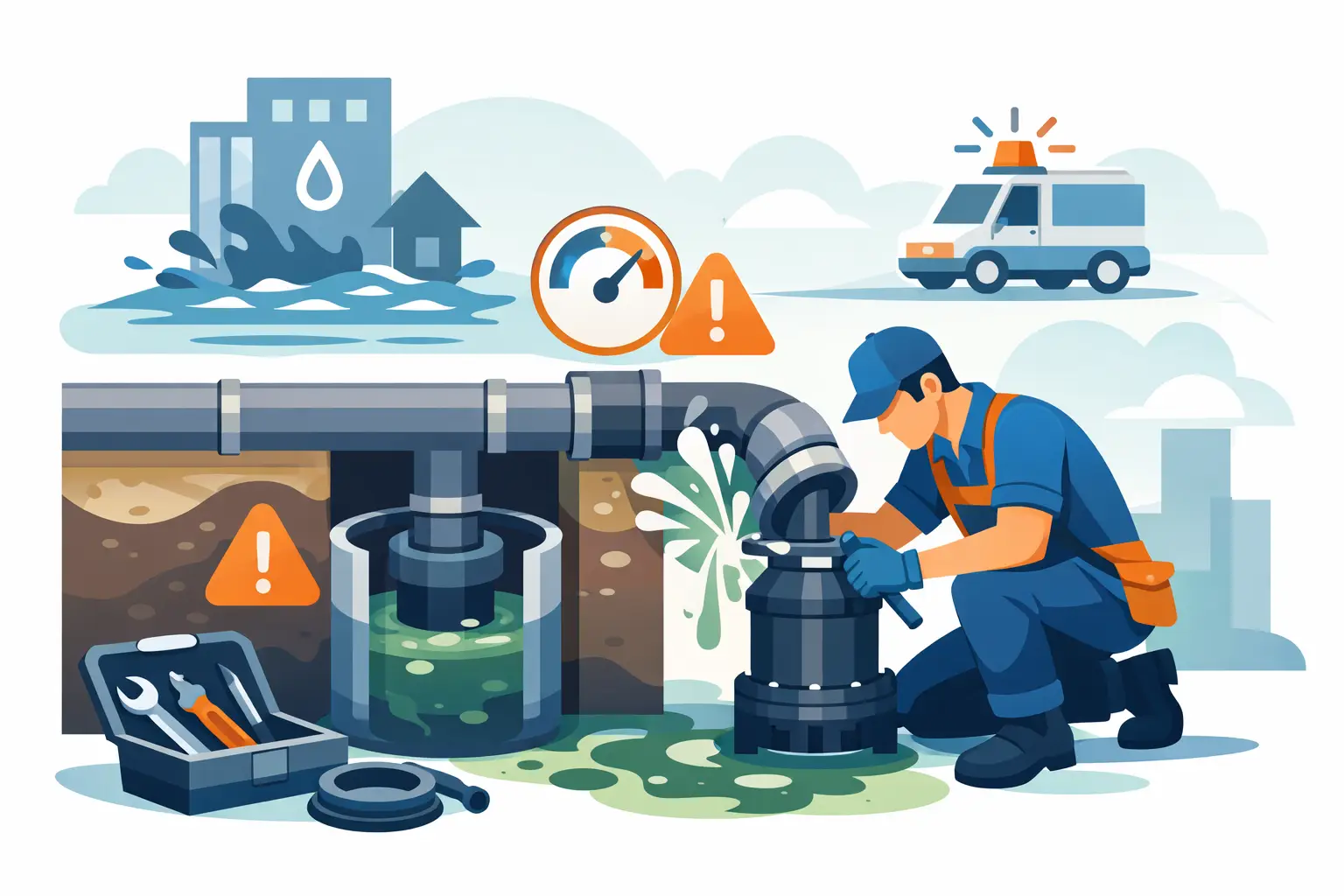
A sewage alarm going off at 2 a.m. usually means one thing – wastewater is no longer moving where it should. When that happens, emergency sewage pump repair is not a job to postpone until morning. A failed pump can lead to backups, overflows, property damage, and exposure to contaminated water within hours.
If your home or commercial property depends on a pump chamber, lift station, or septic dosing system, the right response is simple. Stop adding water, keep people away from any affected area, and call a wastewater specialist who works on septic and sewage systems every day. This is not the time for guesswork.
When emergency sewage pump repair is actually an emergency
Some wastewater problems are inconvenient. Others can shut down a property fast. If sewage is backing up into drains, toilets, or lower-level fixtures, treat it as urgent. The same goes for standing effluent near the tank, pump basin, or drain field, strong sewage odors, or alarms that stay on after being acknowledged.
A pump failure can also show up more subtly. You may notice slow drains throughout the building, gurgling fixtures, wet ground near septic components, or a control panel that has lost power or is showing a fault. In commercial settings, the risk is even higher because restrooms, kitchens, or process water systems may still be in use, which adds load to a system that is already failing.
The reason speed matters is straightforward. Sewage pumps are part of a larger system. If the pump stops, wastewater keeps arriving but has nowhere to go. The basin fills, reserve capacity disappears, and the problem moves from equipment failure to environmental and health risk.
What causes sewage pump failure
Most emergency calls come down to a handful of causes, but the fix depends on the whole system, not just the pump itself.
Power issues are common. A tripped breaker, failed float switch, damaged wiring, bad connections, or a control panel fault can stop a healthy pump from running. In those cases, replacing the pump alone does nothing.
Mechanical failure is another frequent cause. Pumps wear out. Impellers jam. Motors overheat. Seals fail. Solids that should pass through can still create blockages if the pump is undersized, aging, or handling material it was never meant to receive.
Float and control problems are just as serious. If the on/off floats stick, twist, or fail electrically, the pump may not start at the right level. If the high-water alarm fails too, you may not know there is a problem until sewage appears where it should not.
Then there is the system-level issue. A pump may be working, but downstream piping can be blocked, frozen, broken, or restricted. In septic systems, drain field problems can also create symptoms that look like pump failure. That is why proper diagnosis matters.
First steps before emergency sewage pump repair begins
If you suspect a sewage pump failure, reduce water use immediately. Do not run dishwashers, washing machines, showers, or extra toilet flushes. Every gallon sent into the system reduces what little storage may be left.
If wastewater has surfaced indoors or outdoors, keep children, pets, staff, and customers away from the area. Sewage contains harmful bacteria and other contaminants. Avoid contact and do not attempt cleanup until the source of the failure is under control.
You can check whether the alarm panel has power and whether a breaker has tripped, but that is the limit for most property owners. Resetting a breaker once may be reasonable. Repeated resets are not. If a breaker trips again, there is likely a deeper electrical or motor issue, and forcing it can make the repair more expensive.
Do not enter a tank, pump chamber, or confined space. These environments can contain toxic gases and oxygen-deficient air. They require trained personnel, safety procedures, and the right equipment.
What a specialist should check on an emergency call
A proper emergency sewage pump repair visit starts with diagnosis, not assumptions. The technician should confirm whether the issue is electrical, mechanical, hydraulic, or a combination of all three.
That usually includes checking incoming power, breakers, disconnects, control panels, alarms, floats, pump run condition, amperage draw, and visible wiring integrity. The pump chamber level matters, but so does how the system reacts under demand. If the pump runs, the next question is whether it is actually moving wastewater at the required rate.
In many cases, the pump itself is only part of the job. A failed float tree, corroded splice, flooded junction, defective contactor, or damaged control panel can be the real reason the system stopped. On older installations, emergency repairs also uncover mismatched components, poor previous workmanship, or equipment that was never sized correctly for the property.
That is why a septic and wastewater specialist is the right first call. General plumbing or electrical knowledge helps, but sewage systems require a narrower skill set. You need someone who understands pump hydraulics, controls, alarms, tanks, dosing, disposal fields, and code-related system function as one package.
Emergency sewage pump repair vs full replacement
Not every failed pump should be repaired. Sometimes a repair gets you back online quickly and makes financial sense. Sometimes replacement is the smarter move the same day.
If the pump is relatively new, the failure is isolated, and the rest of the system is in good shape, repair may be enough. A stuck float, damaged check valve, loose electrical connection, or control issue can often be corrected without major replacement.
If the pump motor has failed, the housing is compromised, the unit is badly worn, or the system has repeated shutdowns, replacement may be more cost-effective. The same is true when the existing pump is undersized for actual usage or incompatible with the solids handling demands of the site.
There is also the question of downtime. On a residential property, a short-term repair may buy time. On a commercial site, recurring failure can interrupt operations, create sanitation issues, and cost more than a direct replacement. It depends on the age of the equipment, the severity of the failure, and how critical uninterrupted service is.
How to reduce the chance of another failure
Emergency calls often expose a maintenance problem that has been building for months. Pumps, floats, alarms, and panels need inspection. Septic tanks need proper pumping. Lids, risers, and access points need to be secure and serviceable. If a system is buried, neglected, or difficult to access, small issues tend to become expensive ones.
A maintenance plan helps because it catches warning signs early – high run times, float wear, corrosion, sludge issues, weak alarm function, or pump performance changes. That matters even more for properties with high occupancy, finished basements, restaurants, shared systems, or older septic infrastructure.
It also helps to use the system correctly. Wipes, grease, hygiene products, and other non-flushable materials are still a leading cause of preventable failures. Even a heavy-duty sewage pump has limits.
The right call when sewage stops moving
When a sewage pump fails, the problem is never just inconvenience. It is a time-sensitive wastewater issue with health, safety, and property implications. Fast action matters, but correct action matters more. A rushed guess can miss the real cause and put you right back in the same situation.
Aquamatic handles emergency sewage pump repair with the mindset this work requires – diagnose the system, correct the failure, and make sure the fix matches the property. If your alarm is active, wastewater is backing up, or your pump system has stopped working, treat it like the urgent issue it is and get the right specialist involved before a pump problem becomes a cleanup problem.