
How to Service Sewage Pumps Safely and Properly
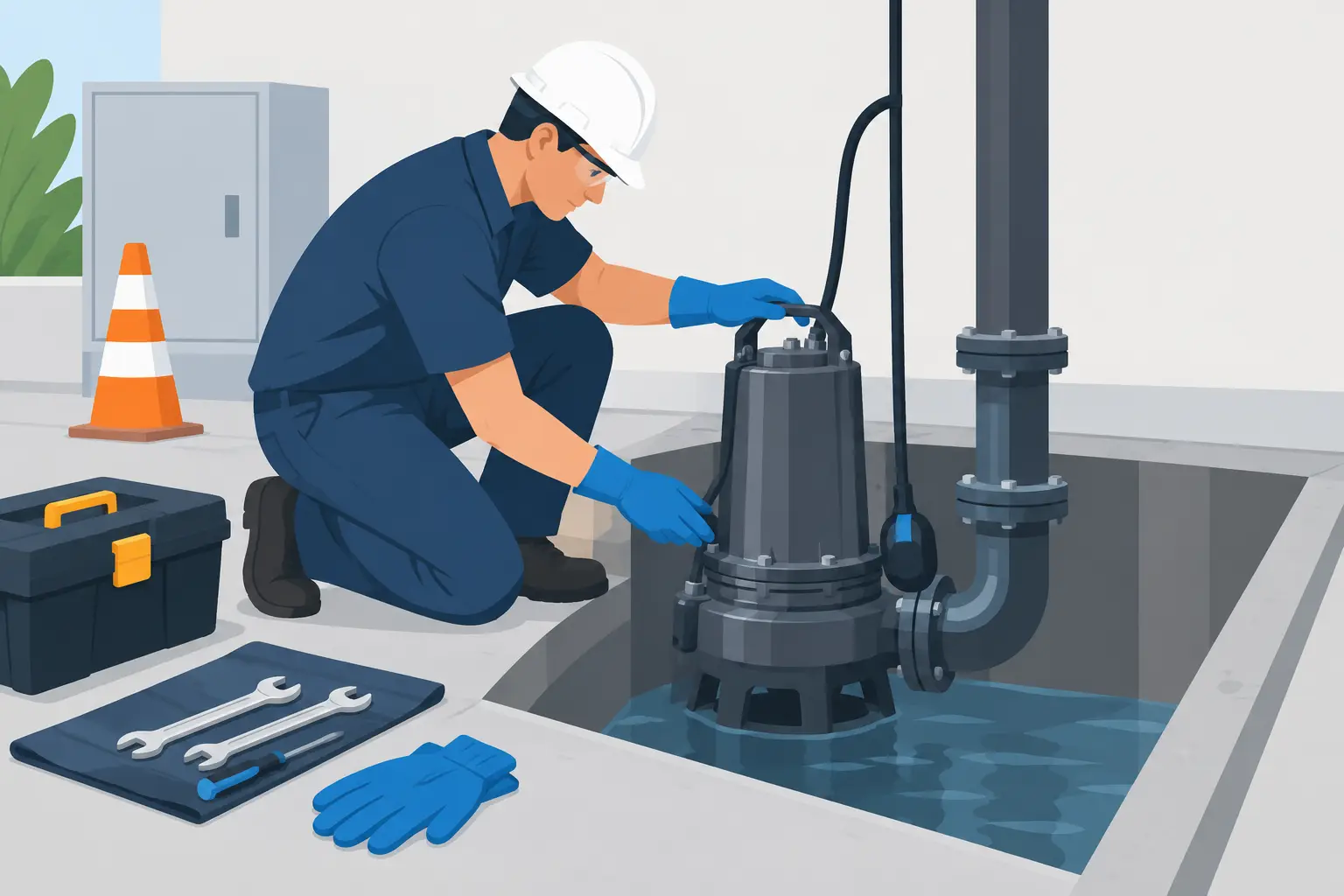
A sewage pump alarm is not a maintenance reminder to ignore until the weekend. It means wastewater may be rising in the pump chamber, and a backup can follow quickly. Knowing how to service sewage pumps helps property owners recognize routine maintenance needs, but the work itself involves electricity, confined spaces, hazardous gases, and contaminated wastewater. Most internal pump service belongs with a qualified septic and wastewater specialist.
The right approach is simple: monitor the system, keep access clear, identify warning signs early, and call for service before a minor component failure becomes a sewage emergency.
Start by Identifying the Pump You Have
Not every pump in a septic system handles raw sewage. An effluent pump moves clarified liquid from a pump tank to a drain field or treatment area. A sewage ejector pump typically handles solids and wastewater, often from a basement bathroom or a low-lying building drain. Grinder pumps cut solids before pumping them through a pressure sewer line.
The service requirements overlap, but the pump type matters. A pump designed for filtered effluent may fail quickly if solids enter the chamber. A grinder pump has cutting components and controls that need model-specific inspection. Commercial systems may also have duplex pumps, alternators, float arrays, and higher-capacity control panels.
If you are unsure what is installed, do not guess based on the tank lid. A septic system assessment can identify the pump, alarm settings, control components, and proper maintenance interval.
Safety Comes Before Sewage Pump Service
Never enter a septic tank, pump chamber, or sewage pit. These spaces can contain hydrogen sulfide, methane, and low oxygen levels. Toxic gas exposure can overcome a person without warning, and rescue attempts often create additional victims.
Before any inspection near the pump chamber, keep children, pets, and bystanders away from the opening. Do not lean over an open tank. Do not smoke or use open flames near the system. If electrical work is necessary, power must be shut off and verified at the disconnect or breaker before a technician handles wiring, floats, or the pump.
A homeowner can safely observe alarms, check for surface water around risers, and reduce water use. Pulling a pump, opening a sealed electrical enclosure, or reaching into wastewater is not a DIY task.
What a Proper Sewage Pump Service Includes
Professional service is more than lifting the pump and seeing whether it runs. A dependable inspection looks at the entire pumping system, because a working motor does not guarantee the wastewater is being moved where it should go.
A technician typically checks the pump basin or chamber for excess solids, grease buildup, damaged baffles, and signs that the tank needs pumping. The pump is inspected for a clogged intake, worn impeller, damaged housing, loose fittings, and restricted discharge piping. Check valves and shutoff valves are evaluated because a failed check valve can allow wastewater to drain back into the chamber after each cycle.
The electrical side is equally important. The technician should inspect the control panel, breakers, fuses, wiring connections, pump run time, amp draw, and alarm circuit. Excessive amp draw can indicate a failing motor, obstruction, or mechanical wear. Low amp draw can point to a damaged impeller or pump that is not moving the expected volume of water.
Float switches are tested at their actual operating levels. A float that tangles, sticks, or hangs too low can cause short cycling, continuous operation, or a high-water alarm. On systems with separate pump-on, pump-off, and high-water alarm floats, correct spacing and secure mounting are critical.
Finally, the discharge line and receiving area must be considered. Replacing a pump will not solve a blocked force main, saturated drain field, failed treatment component, or frozen line. This is why specialized wastewater diagnosis matters.
Routine Checks Property Owners Can Do
You should not service the internal components yourself, but you can monitor the system between scheduled visits. Check the alarm panel monthly. If it has a test switch, use it according to the panel instructions to confirm the audible and visual alarm function. An alarm that does not sound is not protection.
Keep the pump tank riser and lid accessible. Do not cover it with soil, mulch, heavy planters, vehicles, or permanent structures. Service crews need fast, safe access when an alarm occurs.
Pay attention to changes in how the property drains. Slow fixtures, gurgling toilets, sewage odors, wet ground near the tank or drain field, and unusually green or soft areas can all indicate a wastewater problem. These symptoms are not always caused by the pump, but they warrant prompt diagnosis.
Also protect the pump from what enters the system. Do not flush wipes, paper towels, feminine hygiene products, dental floss, diapers, cat litter, grease, or so-called flushable products. They can clog pumps, foul float switches, and create expensive service calls. In commercial settings, grease control and employee training are especially important.
How Often Should a Sewage Pump Be Serviced?
Most residential pump systems benefit from professional inspection at least once a year. Systems with high daily water use, rental occupancy, frequent guests, garbage disposals, advanced treatment equipment, or multiple pumps may need more frequent service. Commercial properties should follow a documented maintenance schedule based on occupancy, wastewater volume, pump duty cycle, and local requirements.
The septic tank pumping schedule is separate from pump service, although the two are often coordinated. Waiting until the tank is overdue for pumping can allow solids to migrate into areas where they do not belong. That increases the chance of pump clogs, damaged components, and drain field problems.
A new pump does not eliminate maintenance. Even high-quality equipment depends on clean electrical connections, properly adjusted floats, clear discharge piping, and a healthy downstream system.
Respond Quickly When the Alarm Sounds
If the high-water alarm activates, reduce water use immediately. Stop laundry, dishwasher cycles, long showers, and unnecessary toilet flushing. The goal is to prevent more wastewater from entering the pump chamber while the system is not keeping up.
Check whether the alarm panel has lost power or whether a breaker has tripped. If resetting a breaker, it should be done once only. A breaker that trips again may signal a pump or wiring fault. Repeated resets can damage equipment and create electrical risk.
Do not assume the pump has failed just because the alarm is on. Heavy water use, a storm-related power outage, a stuck float, a blocked discharge line, or a saturated drain field can produce the same warning. Conversely, do not dismiss an alarm because it stops after water use decreases. Intermittent float and electrical failures often return at the worst possible time.
Call a septic pump specialist if the alarm remains active, wastewater is backing up, the pump runs continuously, or you notice sewage at the surface. Aquamatic technicians diagnose both mechanical and electrical causes so the repair addresses the actual failure, not just the visible symptom.
When Repair Makes Sense and When Replacement Is Smarter
A clogged intake, failed float switch, damaged check valve, loose connection, or worn capacitor may be repairable. In these cases, a targeted repair can restore reliable operation without replacing the full pump.
Replacement is often the better decision when the motor insulation is compromised, the pump has repeated failures, the impeller or housing is severely worn, or the existing pump is undersized for the building’s wastewater demand. An undersized pump may appear to work for months, then fail during high use because it runs too long and overheats.
A proper replacement matches the pump’s horsepower, flow rate, total dynamic head, solids-handling capability, voltage, control configuration, and basin setup. Installing the wrong pump can create short cycling, poor discharge performance, nuisance alarms, and early failure.
Keep a record of service dates, repairs, pump model numbers, alarm events, and septic tank pumping. That documentation is useful for future troubleshooting, property sales, insurance questions, and maintenance planning. More importantly, it gives you a clear starting point when the system needs attention fast.