
Why Is Septic Pump Humming? What It Means
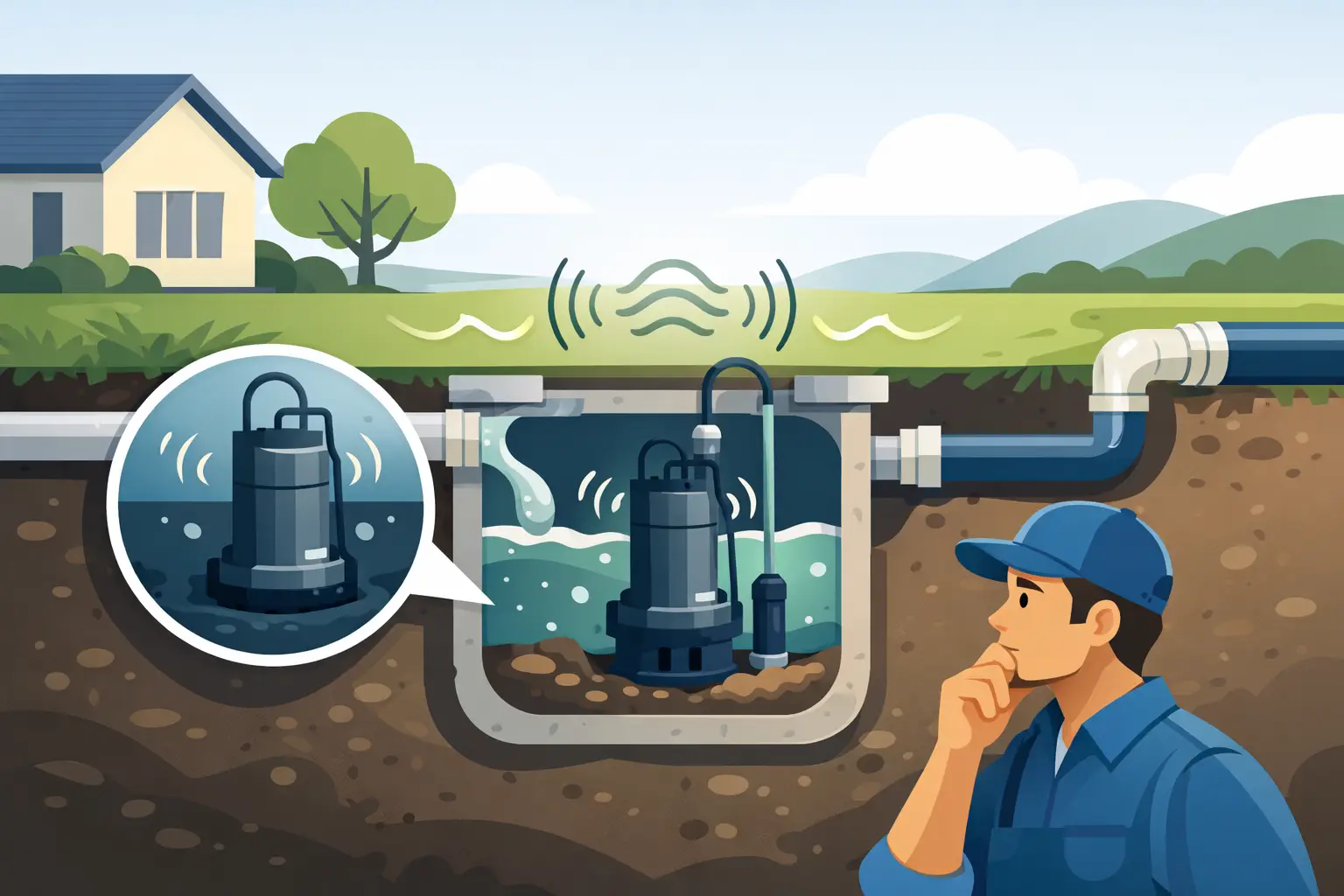
A humming septic pump is not a normal operating sound to ignore. If you are asking, why is septic pump humming, the pump may be receiving power but be unable to start, move wastewater, or shut off correctly. That can turn into a high-water alarm, sewage backup, or a burned-out pump quickly.
Treat the sound as an early warning. Limit water use, keep people away from the septic tank or pump chamber, and arrange for a septic system specialist to diagnose the problem before the chamber overflows.
Why Is Septic Pump Humming?
A septic pump uses an electric motor to push effluent from a pump chamber to a drain field, mound, treatment unit, or other discharge point. When the motor is energized, it should start promptly and produce a steady running sound. A low hum or buzz without normal pumping often means the motor has power but cannot turn properly.
The exact cause depends on the type of system, pump age, electrical controls, water level, and whether the pump is actually moving liquid. A humming sound can also come from the control panel, alarm buzzer, relay, or transformer rather than the pump itself. That distinction matters because the repair may be in the electrical controls, not inside the tank.
A jammed impeller or blocked pump
The most common mechanical issue is an obstruction around the pump intake or impeller. Wipes, hygiene products, stringy material, grease, plastic, roots, or debris can prevent the impeller from rotating. The motor may hum as it tries to start, then trip its overload protection or breaker.
A partially blocked discharge line can create a similar result. The pump may run but move little or no effluent. A failed check valve, blocked filter, frozen line, or damaged pipe can prevent normal discharge and leave the water level high.
This is not a do-it-yourself tank entry job. Septic tanks and pump chambers can contain toxic gases, low oxygen, and unstable surfaces. Never enter a tank, lean into an open riser, or reach down toward a pump.
A failed start component or worn motor
Many single-phase septic pumps rely on a start capacitor or start switch to get the motor turning. When that component fails, the motor may hum but never develop enough starting torque. A worn bearing, seized shaft, damaged winding, or overheating motor can produce the same symptom.
A pump that hums briefly and then stops may be tripping its internal thermal overload. Repeated attempts to run it can cause further motor damage. A technician can test the motor, capacitor, insulation resistance, amperage draw, and pump operation to determine whether a repair is practical or replacement is the right call.
Low voltage or a control panel problem
A septic pump needs the correct voltage to start and operate under load. Loose connections, damaged wiring, corroded splices, a failing breaker, relay problems, or low supply voltage can leave the motor humming without starting.
Control panels are especially common failure points on systems with alarms, duplex pumps, timed dosing, or advanced treatment equipment. A failed relay may chatter or hum. A control transformer can hum. A float switch may call for the pump, while a bad contactor fails to deliver proper power.
Electrical diagnosis should include more than checking whether the breaker is on. A septic specialist needs to verify voltage at the panel and at the pump, inspect the floats and switches, and test the pump under actual load.
The pump is running against a closed or restricted discharge path
Sometimes the motor is running, but the system still is not pumping correctly. A closed valve, clogged force main, failed check valve, excessive head pressure, or frozen discharge pipe can keep effluent from leaving the chamber. The pump may sound strained, louder than normal, or run much longer than it should.
If the high-water alarm remains active while the pump is humming or running, assume the wastewater level is not dropping. Reduce showers, laundry, dishwasher cycles, and other high-volume water use until the system is inspected.
What to Do When a Septic Pump Is Humming
Start with safe observations from outside the tank. Check whether the control panel shows a high-water alarm, pump failure light, or tripped breaker. Look for wet ground, sewage surfacing, odors, or water backing up into lower-level drains. If the system has an alarm silence button, you can silence the audible alarm, but do not assume the problem is resolved.
Do not repeatedly reset the breaker. One reset may be reasonable after a brief power interruption, but a breaker that trips again is signaling an electrical or motor fault. Repeated resets can damage the pump, wiring, or control components.
If you smell burning insulation, see smoke, hear loud buzzing from the panel, or notice a hot breaker, shut off power to the pump circuit if it can be done safely and call for service. Keep the panel area dry and do not handle exposed wiring.
For a high-water condition without smoke or electrical danger, conserve water immediately. Every gallon sent down a drain enters the septic system and can raise the level in the pump chamber. Avoid pumping the tank as a substitute for diagnosing the failure unless a septic professional determines it is needed to prevent an overflow. Pumping the tank may provide temporary capacity, but it does not repair a bad pump, float, control, or blocked line.
How a Septic Specialist Finds the Cause
A proper service call starts with identifying where the humming originates. The technician will inspect the control panel, check alarm status, confirm water levels, and test the float switches. They can measure incoming voltage, test the circuit and connections, and determine whether the pump is drawing excessive current or failing to start.
If the pump chamber must be accessed, the technician can inspect the pump condition, discharge assembly, check valve, guide rails, and visible debris using appropriate equipment and safe procedures. They may also verify whether the discharge line is accepting flow or whether a downstream blockage is causing pressure problems.
The repair can range from replacing a float switch, relay, capacitor, or control panel component to clearing a blockage or replacing the pump. The right answer depends on the system. Installing a new pump without correcting a failed float, undersized electrical circuit, or blocked force main can lead to another failure soon after.
When the Humming Is an Emergency
A humming pump becomes urgent when the high-water alarm is on, wastewater is approaching the top of the pump chamber, drains are backing up, or sewage is surfacing outside. Commercial properties should act especially quickly because continued restroom, kitchen, or laundry use can overwhelm the system and disrupt operations.
Do not wait for a complete backup. Pumps commonly fail at the worst time because the system has been relying on them continuously. Early service is usually cleaner, less disruptive, and less expensive than responding after wastewater reaches the building or ground surface.
A septic pump that hums is telling you something is wrong. Stop adding unnecessary water, leave the tank and electrical work to qualified personnel, and get the pump, controls, and discharge line checked before a manageable repair becomes a wastewater emergency.